Sunday, May 3, 2026

Maximize Your Car's Value: Best Mileage to Sell

Maximize Your Car's Value: Best Mileage to Sell

Best Mileage Range to Sell Your Car for Maximum Value

When it comes to selling your car, timing is everything, and hitting the right mileage mark can make a significant difference in your resale value. Generally, the sweet spot for selling is between 60,000 and 100,000 miles. Selling before 60,000 miles helps you dodge major maintenance costs, while letting go of your vehicle before it crosses the 100,000-mile threshold prevents the dreaded "high mileage" stigma that can plummet its worth. Understanding key mileage milestones, such as the expiration of warranties and the psychological barriers for buyers, can help you make a more informed decision and maximize your return.

Real-World Check:Fit, warranty, safety, and labor cost matter just as much as the sticker price.

Quick Rule:The cheapest part or service is not always the cheapest outcome if it fails early or causes repeat work.


If you're wondering when to sell your car, you're not alone. Mileage is a critical factor that can make or break your sale.

Understanding Car Depreciation

From the moment you drive off the lot, your car starts losing value. In the first year alone, it can drop by up to 20%, and about 10% each year after that. Knowing this helps you understand the importance of timing your sale.

Deciding when to part with your vehicle is a tricky balancing act. Mileage can significantly influence your car's value and appeal to potential buyers. Understanding how mileage impacts depreciation and buyer perceptions is key to making an informed decision.

The 30,000 to 40,000 Mile Range

Experts often recommend selling your car when it has between 30,000 and 40,000 miles. At this stage, the vehicle is still relatively new, and major wear and tear issues are likely minimal. Buyers see value in a car that's just broken in but still far from needing significant repairs.

The 60,000 to 70,000 Mile Mark

If you missed the first window, consider selling between 60,000 and 70,000 miles. Cars in this range are typically still in good condition, but buyers will start factoring in upcoming maintenance costs, like new brakes or tires.

The 100,000 Mile Threshold

Crossing the 100,000-mile mark is significant. While many modern cars can last well beyond this, the psychological impact on buyers is real. Vehicles with over 100,000 miles can still be sold, but expect lower offers and a different buyer demographic.

Factors Influencing the Best Mileage to Sell

Several factors can influence the ideal mileage for selling your car:

  1. Make and Model : Some brands, like Honda or Toyota, are known for longevity and can still fetch a good price even at higher mileages.
  2. Maintenance History : A solid service record can enhance your car’s value, regardless of mileage.
  3. Market Demand : Trends can make certain models more desirable, even if they have higher mileage.
  4. Condition of the Car : A well-maintained car with high mileage can be more appealing than a neglected car with lower mileage.

Tips for Maximizing Your Car’s Value

  • Regular Maintenance : Stay on top of scheduled services and keep records.
  • Cleanliness : A clean, well-presented car can significantly enhance buyer perception.
  • Timing : Be aware of market trends and seasonal demands. For instance, convertibles often sell better in spring and summer.
  • Honesty : Be upfront about your car’s condition and history. Trust builds value.

Choosing when to sell your car based on mileage can greatly impact your return. Aim for those prime windows of 30,000 to 40,000 miles or 60,000 to 70,000 miles for the best balance between value and buyer interest. Keep in mind that maintenance, condition, and market trends are also crucial. With these tips, you'll be well-equipped to make a savvy, well-timed sale.

Happy selling, and may your next ride bring you even more joy and fewer miles!

Helpful Resources Worth Checking

Use these resources to verify claims, compare options, or double-check details before you spend money.

Buying Tip:For safety-related parts, verify the part number and source before installing it.

Common Mistake:Do not assume every aftermarket part is equal. Quality can vary a lot by brand and seller.

  1. Confirm the part number.
  2. Compare OEM and reputable aftermarket options.
  3. Check warranty and return policy.
  4. Keep receipts after installation.

At what mileage should I sell my car?

The best mileage to sell your car is typically between 60,000 and 100,000 miles. Selling before 60,000 miles helps you avoid major repairs, while staying under 100,000 miles keeps you clear of the "high mileage" stigma that can hurt resale value. If you missed those ranges, aim for 30,000 to 40,000 miles for a newer car or 60,000 to 70,000 miles for a well-maintained one. Just remember, condition and maintenance history matter too, so keep your car in good shape!

Is 50,000 miles a lot for a 2 year old car?

No, 50,000 miles isn’t a lot for a 2-year-old car; it’s actually quite average. Most cars will be in the sweet spot for resale value between 30,000 and 70,000 miles. At 50,000, you’re still in a good position to sell without major maintenance concerns looming. Just keep up with regular maintenance and have a solid service record to maximize your car's value. Avoid waiting too long if you want to get the best return before hitting that 60,000-mile mark.

What should you never reveal to the dealer when negotiating?

When negotiating with a dealer, never reveal your bottom-line price or how much you owe on your current vehicle. These details can weaken your position and give the dealer leverage. Stick to discussing the car's condition and market value instead. Also, avoid sharing personal reasons for selling, as they can be used against you in negotiations. Keep your cards close to your chest to maximize your chances of getting a fair deal.

Should I sell my car before it hits 100,000 miles?

Selling your car before it hits 100,000 miles is generally a smart move. Cars in the 60,000 to 70,000-mile range tend to fetch better prices, as buyers are wary of the "high mileage" stigma. If your car is well-maintained and in good condition, you can still sell it after 100,000 miles, but expect lower offers. Just be honest about its history and condition to build trust with potential buyers. Timing and maintenance are key to maximizing your return.

How does the make and model of my car affect its resale value?

The make and model of your car significantly influence its resale value. Brands known for reliability and longevity, like Honda and Toyota, tend to retain their value better than others. Additionally, certain models may be in higher demand, which can increase their resale price, even at higher mileages.

What role does maintenance history play in selling my car?

A well-documented maintenance history can greatly enhance your car's resale value. Buyers are more likely to pay a premium for a vehicle that has been regularly serviced and maintained, as it indicates reliability and reduces the perceived risk of future repairs.

Are there specific times of year that are better for selling my car?

Yes, certain times of the year can be more favorable for selling your car. For example, convertibles and sports cars often sell better in spring and summer, while SUVs and trucks may see increased demand in the fall and winter months due to seasonal needs.

How can I prepare my car for sale to maximize its value?

To maximize your car's value, ensure it is clean and well-presented, both inside and out. Address any minor repairs, gather maintenance records, and consider having a mechanic inspect it to provide potential buyers with peace of mind. Additionally, taking high-quality photos and writing a detailed description can attract more interest.
Saturday, May 2, 2026

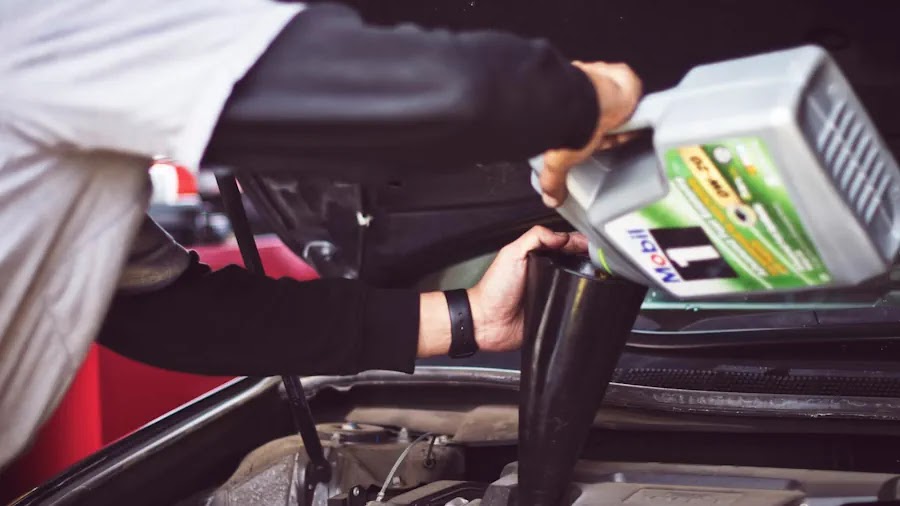
Can You Mix Synthetic and Conventional Oil Safely?

Can You Mix Synthetic Oil With Regular Oil?

Mixing synthetic oil with conventional oil is a common concern for car owners, especially during emergencies. The good news is that you can safely mix the two without damaging your engine. However, it’s not ideal for long-term use because the blend reduces the performance benefits of full synthetic oil.

If you ever need to top off your oil and only have a different type available, it’s perfectly fine as a temporary solution. Just make sure both oils have the same viscosity and meet your vehicle’s specifications.

Quick Answer: Yes, you can mix synthetic and conventional oil safely—but only as a temporary fix. The result performs like a lower-grade blend and should be replaced with a proper oil change soon.

Real-World Check: Mixing oils won’t damage your engine immediately, but it reduces the protection, cleaning ability, and lifespan benefits of full synthetic oil.

What Happens When You Mix Synthetic and Conventional Oil?

When you mix synthetic and conventional oil, the result is essentially a diluted version of synthetic oil. It will still lubricate your engine properly, but it won’t deliver the full benefits of synthetic oil such as better heat resistance, cleaner performance, and longer lifespan.

Modern engine oils are designed to be compatible with each other, so mixing does not cause chemical damage or engine failure. The real impact is reduced performance—not immediate harm.

Smart Tip: If you mix oils, treat it as a short-term solution and schedule a full oil change soon to restore proper protection.

Can You Switch Back to Conventional Oil After Using Synthetic?

Yes, you can switch back to conventional oil, but it’s not recommended unless necessary. Synthetic oil provides better protection against heat, wear, and sludge buildup.

Switching back may slightly increase engine wear over time, especially in high-performance or modern engines designed for synthetic oil.

What Happens If You Use the Wrong Oil Type?

If you accidentally use conventional oil instead of synthetic, your engine will still run safely. However, it won’t receive the same level of protection.

Short-term use is fine, but it’s best to correct it during your next oil change.

Pros and Cons of Mixing Oil Types

Pros

  • Safe in emergencies
  • Prevents engine damage from low oil
  • Compatible with modern engines

Cons

  • Reduces synthetic oil performance
  • Shortens oil life
  • Not ideal for long-term engine health

When Is Mixing Oil Acceptable?

  • When oil levels are low and you need an immediate top-up
  • When the correct oil type is not available
  • During emergency situations

Watch Out: Regularly mixing oil types instead of doing proper oil changes can lead to reduced engine efficiency and long-term wear.

How to Handle Oil Mixing the Right Way

  1. Check your oil level immediately
  2. Top up using the closest matching oil type and viscosity
  3. Avoid aggressive driving until oil is replaced
  4. Schedule a full oil change as soon as possible

What happens if you mix conventional and synthetic motor oil?

Mixing conventional and synthetic motor oil is generally safe for your engine in a pinch, but it’s not ideal. While it won’t cause immediate harm, the blend won't perform as well as full synthetic, leaving your engine less protected. Always ensure both oils are the same viscosity and meet your vehicle's specs. Think of it as a temporary fix; aim to switch back to one type during your next oil change for optimal performance and protection.

Should you go back and forth between conventional and synthetic oil?

You can mix conventional and synthetic oil in a pinch, but it’s not a long-term solution. While it won’t harm your engine, the blend won’t offer the full protection of synthetic oil and may lead to sludge buildup over time. If you switch to synthetic, stick with it for better performance. check that both oils have the same viscosity and meet your vehicle’s specs. Use mixing as a temporary fix, and plan for a proper oil change soon.

What are the signs of oil incompatibility?

Signs of oil incompatibility can include unusual engine noises, increased oil consumption, or a drop in oil pressure. You might also notice a change in oil color or consistency, such as a milky appearance or excessive sludge. If you experience any of these symptoms after mixing oils, it’s best to change your oil as soon as possible. Remember, while mixing synthetic and conventional oils isn’t immediately harmful, it’s not a long-term solution and can compromise engine protection. Stick to the recommended oil type for your vehicle.

What to do when switching from conventional to synthetic oil?

When switching from conventional to synthetic oil, it’s best to do a complete oil change rather than mixing the two. If you find yourself in a pinch and need to top off, you can mix them, but it’s not ideal. Mixing can dilute the benefits of synthetic oil and may lead to sludge buildup over time. Stick with synthetic for the long haul to ensure your engine gets the protection it needs. Always follow your vehicle's specifications for the best results.

What happens if I put 5W-20 instead of 5W30?

If you put 5W-20 instead of 5W-30 in your engine, it might not cause immediate damage, but it can lead to inadequate protection. The 5W-20 oil is thinner, which could result in higher oil consumption and less lubrication, especially in hotter conditions. It's best to stick with the manufacturer's recommended oil viscosity for optimal performance and engine longevity. If you've already done it, keep an eye on your oil levels and change it to the correct type as soon as possible.

Are there any oils that should not be mixed together?

Yes, you can mix synthetic oil with conventional oil in a pinch, but it’s not ideal. While it won’t harm your engine immediately, it compromises the performance of the synthetic oil. Always make sure both oils are the same viscosity and meet your vehicle's specifications. If you find yourself mixing oils, treat it as a temporary fix until your next oil change. For the best engine health, stick to one type of oil as recommended by your manufacturer.

What if I put 10W30 instead of 5W30?

Using 10W30 instead of 5W30 isn’t ideal, but it won’t ruin your engine right away. The difference in viscosity means your engine might not get the right protection, especially in colder temperatures. If you’re in a pinch, it’s a temporary fix, but I recommend switching back to the correct oil as soon as possible. Stick to the manufacturer’s recommendations for optimal performance and longevity.

Can mixing synthetic and conventional oil affect my vehicle's warranty?

Mixing synthetic and conventional oil typically won't void your vehicle's warranty, but it's essential to check your owner's manual and warranty terms. Some manufacturers recommend sticking to one type of oil for optimal performance and to avoid potential issues. Always use oil that meets the specifications outlined by your vehicle's manufacturer to ensure compliance with warranty requirements.

Conclusion

Mixing synthetic and conventional oil is safe for short-term use and won’t damage your engine. However, it should never replace proper maintenance. For the best performance, efficiency, and engine longevity, always stick to one oil type that meets your manufacturer’s recommendations.

Can You Mix Synthetic Oil With Regular Oil?

If you are deciding between conventional or synthetic oil, the safest choice is the oil type listed in your owner’s manual.

Brand matters less than whether the engine oil brand and type meet the correct specification.

If you mix oils as a temporary fix, schedule your next oil change interval sooner rather than stretching it.

Essential Do's and Don'ts for Perfect Window Tinting

The Do's and Don'ts of Window Tinting: A Guide to Getting it Right

Proper window tinting is essential for both aesthetics and functionality, but it requires careful attention to detail during and after installation. To ensure your tint lasts, avoid rolling down windows for 48 to 72 hours while it cures, use only ammonia-free cleaners with soft microfiber cloths, and consider hiring professionals to comply with local Visible Light Transmission (VLT) laws. Neglecting these steps can lead to peeling, bubbling, or scratching, ultimately compromising the look and effectiveness of your tint. Understanding these do's and don'ts will help you maintain your investment and enjoy the benefits of tinted windows for years to come.


Table of Contents

The Do's:

  1. Wait to Roll Down Windows: Keep windows up for at least 48 to 72 hours (sometimes up to 5 days) while the tint cures.

  2. Use Appropriate Cleaners: Choose ammonia-free, non-abrasive, and alcohol-free cleaners to prevent discoloration.

  3. Use Soft Cleaning Tools: Use microfiber cloths or soft sponges/squeegees to clean the film.

  4. Hire Professionals: Use expert installers to ensure high-quality film, proper installation, and compliance with local VLT (Visible Light Transmission) regulations.

  5. Use Parking Shades: Park in shaded areas to help the tint cure evenly.

  6. Understand Curing Time: Expect a 1–2 week curing process where small, bubbly water bubbles may appear and eventually disappear.

The Don'ts:

  1. Don't Roll Down Windows Immediately: Rolling down windows too soon can cause the tint to peel or crease.

  2. Don't Use Ammonia-Based Products: Household cleaners like Windex can break down the adhesive, causing peeling and bubbles.

  3. Don't Use Abrasive Tools: Avoid razor blades, scrub pads, or steel wool to prevent scratching the film.

  4. Don't Use High-Pressure Washers: Avoid high-pressure car washes for at least a few weeks as they can damage the edges of the film.

  5. Don't Push on Air Bubbles: Small bubbles will dissipate on their own; poking them causes damage.

  6. Don't Apply Film Over Dirt: Ensure windows are extremely clean before applying, or dirt will show through.

What Not to Do After Getting Windows Tinted?

After getting windows tinted, avoid rolling them down immediately, neglecting maintenance, using harsh chemicals, or disregarding warranty information. Proper aftercare is crucial for maintaining the integrity and appearance of your tint.

By following these do's and don'ts of window tinting, you can ensure a successful installation and enjoy the benefits of tinted windows for years to come. enhancing your vehicle or improving the comfort and privacy of your home, proper window tinting can make a significant difference.

Helpful Resources Worth Checking

Use these resources to verify claims, compare options, or double-check details before you spend money.

What not to do after getting windows tinted?

After getting your windows tinted, avoid rolling them down for at least 48 to 72 hours to prevent peeling or creasing. Don't use ammonia-based cleaners or abrasive tools, as these can damage the film. Also, steer clear of high-pressure car washes for a few weeks. Neglecting these precautions can compromise the tint's appearance and effectiveness, so prioritize proper care to maintain your investment.

Why do cops not like tinted windows?

Cops often dislike tinted windows because they can obstruct visibility, making it difficult to see inside a vehicle. This can hinder law enforcement's ability to assess situations, identify occupants, or ensure safety during traffic stops. Additionally, overly dark tints may violate local Visible Light Transmission (VLT) laws, leading to fines. To avoid issues, ensure your tint complies with regulations and maintains a level of transparency that allows for safe interactions with law enforcement.

Is Dawn dish soap safe on tinted windows?

Dawn dish soap is not recommended for cleaning tinted windows. While it may seem gentle, it can contain additives that may damage the tint film or its adhesive over time. Instead, opt for ammonia-free, non-abrasive cleaners specifically designed for tinted windows. Always use soft microfiber cloths to avoid scratching the surface. Prioritizing the right cleaning products will help maintain the integrity and appearance of your tint.

What are common window tint mistakes?

Common window tint mistakes include rolling down windows too soon, which can lead to peeling or creasing, and using ammonia-based cleaners that can break down the adhesive. Additionally, neglecting to clean the glass thoroughly before installation can result in dirt showing through the film. Avoid abrasive tools and high-pressure washes for at least a few weeks to prevent damage. Proper aftercare is essential to maintain the tint's appearance and effectiveness.

Is 2 days enough for tint to cure?

Two days is generally the minimum time recommended for window tint to cure, but it can take up to 72 hours or even five days for optimal results. During this period, avoid rolling down the windows, as doing so can lead to peeling or creasing of the tint. Factors like humidity and temperature can affect curing time, so if possible, err on the side of caution and wait longer to ensure the best adhesion and longevity of your tint.

Does tint mess with the warranty?

Yes, window tinting can potentially affect your warranty, particularly if the installation is done improperly or if it violates manufacturer guidelines. Using non-compliant films or amateur installation may lead to issues that the manufacturer could attribute to the tint. To avoid warranty complications, always use professional installers and ensure the film meets local regulations. Additionally, keep documentation of the installation and any maintenance to support your warranty claims.

How does a lifetime warranty work on tint?

A lifetime warranty on window tint typically covers defects in materials and installation for as long as you own the vehicle. However, it often excludes damage from improper care, such as using ammonia-based cleaners or rolling down windows too soon. To keep the warranty valid, follow the manufacturer’s care instructions closely, avoid harsh chemicals, and ensure professional installation. Always read the fine print, as specific terms can vary between manufacturers.

How long is the window tint warranty?

The window tint warranty typically ranges from 5 to 10 years, depending on the manufacturer and the type of film used. However, this warranty can be voided if proper care guidelines are not followed, such as rolling down windows too soon or using harsh cleaners. Always check the specific warranty details provided by your installer or manufacturer to understand what is covered and any maintenance requirements to keep your warranty valid.

Friday, May 1, 2026

At What Mileage Do Cars Start Having Issues?

When Do Cars Start Having Issues? Key Mileage Insights

As your car racks up miles, it’s natural to wonder when problems will start showing up. Most vehicles begin to experience noticeable wear between 60,000 and 100,000 miles, though this varies based on maintenance, driving habits, and build quality.

The good news is that modern cars are built to last longer than ever. With proper care, many vehicles can easily cross 200,000 miles. The key is understanding when issues typically appear—and staying ahead of them.

Quick Rule: Most cars begin needing more frequent repairs after 60,000–100,000 miles, but good maintenance can delay major issues significantly.

Real-World Check: A well-maintained car with 120,000 miles is often more reliable than a neglected car with half that mileage.

Common Mileage Markers for Car Issues

0–50,000 miles: Most cars only need routine maintenance like oil changes, tire rotations, and brake inspections.

50,000–100,000 miles: This is where wear starts to show. Components like spark plugs, belts, water pumps, and suspension parts may need replacement.

100,000–150,000 miles: More expensive repairs may appear, including transmission servicing, fuel system issues, and cooling system failures.

150,000+ miles: Major components like the engine or transmission may require rebuilding or replacement, especially if maintenance has been inconsistent.

Smart Tip: Following proper oil change intervals is one of the easiest ways to delay engine problems.

Factors That Influence Car Longevity

Maintenance History: Regular servicing makes a huge difference. Understanding engine oil quality and type helps prevent early engine wear.

Driving Conditions: Frequent short trips, heavy traffic, and extreme weather can accelerate wear and tear.

Driving Habits: Aggressive acceleration and hard braking increase stress on the engine, transmission, and brakes.

Vehicle Quality: Some brands and models are built to last longer. Reliable cars with proper care can exceed 200,000 miles.

If you're unsure which oil is best, this guide on conventional vs synthetic oil can help you choose the right type for your engine.

Signs Your Car Is Starting to Have Problems

  • Unusual noises like knocking or grinding
  • Dashboard warning lights
  • Decreased fuel efficiency
  • Fluid leaks under the car
  • Vibrations or rough driving

Watch Out: Ignoring early warning signs can turn small, affordable fixes into major car repair bills.

How to Extend Your Car’s Life

  • Follow the manufacturer’s maintenance schedule
  • Fix small problems before they get worse
  • Use high-quality parts and fluids
  • Drive smoothly and avoid aggressive habits
  • Keep your car clean and protected from rust

Is High Mileage Always a Problem?

Not necessarily. A high-mileage car that has been well maintained can be more dependable than a low-mileage car that has been neglected.

What matters most is consistency in maintenance—not just the number on the odometer.

Conclusion

Cars don’t suddenly fail at a specific mileage, but most start showing signs of wear between 60,000 and 100,000 miles. With proper maintenance, you can delay major problems and extend your vehicle’s life well beyond 200,000 miles.

Stay proactive, follow maintenance schedules, and pay attention to early warning signs. That’s the real secret to keeping your car reliable for years.

At what mileage do cars usually have problems?

Most cars start having noticeable issues between 60,000 and 100,000 miles, though proper maintenance can delay this significantly.

What is the $3000 rule for cars?

If repair costs exceed $3000, it may be worth evaluating whether keeping the car makes financial sense compared to replacing it.

What is the silent killer in cars?

Neglecting maintenance—especially oil changes—is one of the biggest causes of long-term engine damage.

What is the best age of a car to buy?

Cars between 3–5 years old offer the best balance between cost, reliability, and depreciation.

At What Mileage Do Cars Start Having Issues?

Best Tesla Home Charger: Is the Wall Connector the Smartest Choice?

Best Tesla Home Charger: Your Guide to Fast, Efficient Charging

Charging your Tesla at home is the easiest way to start every day with a full battery. If you want the fastest, most convenient, and most future-ready setup, the Tesla Wall Connector is the strongest overall choice for most homeowners.

This guide breaks down the best Tesla home charger, when the Mobile Connector makes more sense, how to charge for battery health, and which option works best for the Model Y.

Table of Contents

Best Tesla Home Charger

The Tesla Wall Connector is widely considered the best Tesla home charger because it combines speed, convenience, and flexibility in one clean installation. It can deliver up to 48 amps, supports overnight charging, and gives you a dedicated charging setup that is easier to live with than a portable unit.

If you own a home and plan to keep your EV for the long term, the Wall Connector usually offers the best daily charging experience. For many drivers, the biggest advantage is simple: plug in at night and wake up ready to go.

Why it stands out: fast charging, weather-resistant design, Wi-Fi support, long cable reach, and strong compatibility for Tesla and non-Tesla EVs with the Universal Wall Connector.

What Is the Fastest Tesla Charger?

The Tesla Wall Connector is the fastest practical home charging solution for most Tesla owners. It can provide up to 11.5 kW of power at 48 amps, which is enough to add a substantial amount of range overnight for daily driving.

The Tesla Mobile Connector is much slower, especially when used with a standard 120V outlet. If you use a 240V outlet such as a NEMA 14-50, it becomes more useful, but it still does not match the convenience and speed of a hardwired Wall Connector.

Fast charging note: the exact miles added per hour vary by Tesla model, battery size, and charging conditions.

What Charge Level Is Best?

For everyday use, Tesla owners usually get the best battery balance by staying in the 20% to 80% range. That keeps the battery ready for normal driving while avoiding unnecessary stress from frequent full charges.

Charging to 100% is fine before a long road trip, but it should not be your everyday routine unless your specific use case requires it.

Daily charging habit: set a charge limit in the Tesla app and let the car manage the rest automatically.

Which Is the Best EV Charger?

If you want the most versatile option, the Tesla Universal Wall Connector is a strong contender because it works with Tesla and non-Tesla EVs. That makes it especially useful in households with more than one EV brand.

Charger Best For Key Strength
Tesla Wall Connector Tesla owners Fastest and most seamless home charging
Tesla Mobile Connector Budget buyers and renters Portable and flexible
Wallbox Pulsar Plus Feature-focused users Smart app controls and compact design
ChargePoint Home Flex Mixed EV households Broad compatibility and smart features

Pros

  • Fast overnight charging.
  • Cleaner and more permanent installation.
  • Great for homes with multiple EVs.
  • Better long-term convenience than portable charging.

Cons

  • Higher upfront cost than the Mobile Connector.
  • May require professional electrical installation.
  • Not ideal for renters who move often.

Which Charger Is Best for Tesla Model Y?

The Tesla Wall Connector is the best overall charger for the Model Y if you want the easiest and fastest home charging setup. It pairs well with daily commuting, overnight top-ups, and future ownership plans.

If your mileage is lower or you want a portable option, the Tesla Mobile Connector with a NEMA 14-50 outlet can be a smart budget-friendly choice. For mixed-brand households, a charger like the ChargePoint Home Flex can also be a practical alternative.

Should You Plug In Every Night?

Yes, plugging in every night is usually the most convenient approach for Tesla ownership. It keeps the car topped off, helps you take advantage of off-peak electricity rates, and removes the hassle of remembering to charge later.

If you drive only a short distance each day, nightly charging is even easier because you will rarely need to think about range anxiety or unexpected trips.

Do not rely on low-speed charging for heavy daily driving. A standard outlet may be fine for light use, but it is often too slow for consistent high-mileage needs.

Tips for Tesla Home Charging

  1. Hire a qualified electrician for installation if you are hardwiring a Wall Connector.
  2. Check for utility rebates, tax credits, and local EV charging incentives.
  3. Use scheduled charging in the Tesla app to save money during off-peak hours.
  4. Set a daily charge limit instead of charging to 100% all the time.
  5. Consider power-sharing if you have more than one EV at home.

Best all-around setup: Wall Connector for performance, Mobile Connector for portability, and a charge limit between 20% and 80% for everyday use.

Conclusion

The Tesla Wall Connector is the best home charger for most owners because it delivers the best mix of speed, convenience, and long-term value. If you want the simplest daily routine and the best charging experience at home, it is the option to beat.

Frequently Asked Questions

What is the fastest Tesla home charger?

The Tesla Wall Connector is the fastest home charger in this guide and is the best choice for most homeowners.

Is the Tesla Wall Connector better than the Mobile Connector?

Yes, for speed and convenience the Wall Connector is better, while the Mobile Connector is better for portability and lower upfront cost.

What charge level should I keep my Tesla at?

For daily driving, keeping your Tesla between 20% and 80% is the most common recommendation.

Is the Tesla Universal Wall Connector worth it?

Yes, especially if you have both Tesla and non-Tesla EVs at home and want one charger for both.

Should I charge my Tesla every night?

Yes, if you can, nightly charging is convenient and helps keep the car ready for the next day.

What is the best charger for Tesla Model Y?

The Tesla Wall Connector is the best overall choice for the Model Y, especially for owners who want fast, reliable home charging.

Gas Cars vs EVs: How Often They REALLY Need Maintenance

Cabin Air Filter Replacement Cost: Why Shops Charge So Much

Cabin Air Filter Replacement Cost: Why Shops Charge So Much A cabin air filter replacement can cost $50, $100, or even $150 at a rep...

.image { width: 100%; }