AGM Batteries Explained: Pros, Cons and Whether the Upgrade Is Worth It
An AGM battery sounds like an easy upgrade until you see the price. Many drivers are told they “need” AGM because the vehicle has start-stop technology, heavy electronics, or a premium battery from the factory, but not every car benefits enough to justify the extra cost.
The right answer depends on your vehicle’s battery requirements, charging system, driving habits, climate, and whether the car was designed for AGM. In some vehicles, replacing AGM with a regular flooded battery can create problems. In others, upgrading to AGM may be unnecessary overkill.
Table of Contents
- Quick Answer: Is an AGM Battery Worth It?
- What Is an AGM Battery?
- AGM Battery vs Regular Battery
- AGM Battery Pros
- AGM Battery Cons
- Why Start-Stop Cars Often Need AGM Batteries
- Can You Charge an AGM Battery With a Regular Charger?
- Can You Jump Start an AGM Battery?
- When Not to Use an AGM Battery
- How Long Do AGM Batteries Last?
- AGM vs Lithium Car Battery
- AGM Battery Warranty and Replacement Mistakes
- AGM Battery Buying Checklist
- Official Battery Resources
- Related Car Battery Guides
- Bottom Line
- Frequently Asked Questions FAQ’s
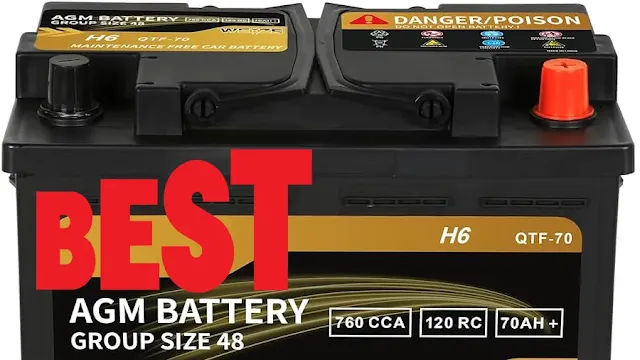
Quick Answer: Is an AGM Battery Worth It?
An AGM battery is worth it if your vehicle originally came with AGM, has automatic start-stop, heavy electrical demand, frequent short trips, harsh temperature exposure, or repeated battery problems caused by modern electronics. AGM batteries handle vibration, cycling, and accessory loads better than standard flooded batteries.
An AGM battery may not be worth it for a basic older car with modest electrical needs, especially if the charging system is not designed for AGM or if the vehicle does not benefit from the extra durability. The safest choice is to match the battery type, size, rating, and registration requirements listed for your vehicle.
Best rule: If your car came with AGM from the factory, replace it with AGM unless the owner’s manual or manufacturer parts system clearly allows another type. If your car came with a regular flooded battery, AGM may be an upgrade, but it is not automatically necessary.
What Is an AGM Battery?
AGM stands for Absorbent Glass Mat. It is a type of sealed lead-acid battery where the electrolyte is held in fiberglass mats instead of sloshing freely as liquid inside the case.
This design helps make AGM batteries spill-resistant, vibration-resistant, maintenance-free, and better suited for repeated charge and discharge cycles. They are still lead-acid batteries, but they are built differently from traditional flooded batteries.
What AGM Means in Real Life
- The battery is sealed and usually maintenance-free.
- There is no need to add water.
- The design handles vibration better than many flooded batteries.
- It can recharge efficiently when used with the correct charging profile.
- It can better support vehicles with frequent electrical loads.
- It usually costs more than a standard flooded battery.
Good to know: AGM does not mean the battery is magic or impossible to kill. Wrong charging, deep discharge, heat, parasitic drain, alternator problems, or incorrect fitment can still shorten its life.

AGM Battery vs Regular Battery
The main difference between an AGM battery and a regular flooded battery is how the electrolyte is held inside the battery. A regular flooded battery contains liquid electrolyte. An AGM battery holds the electrolyte in absorbent glass mats, creating a sealed, more vibration-resistant design.
| Feature | AGM Battery | Regular Flooded Battery |
|---|---|---|
| Price | Higher | Lower |
| Maintenance | Usually maintenance-free | Usually maintenance-free in modern cars, but design is less sealed |
| Vibration resistance | Better | Good for normal use |
| Start-stop support | Often required or strongly preferred | Often not ideal for start-stop systems |
| Deep cycling | Better tolerance | Less tolerant of repeated discharge |
| Charging needs | Needs AGM-compatible charging profile | More forgiving with basic chargers |
| Best for | Modern electronics-heavy cars, start-stop systems, harsh use | Basic vehicles with normal electrical demand |
Do not choose only by price: A cheaper regular battery may fail early in a vehicle designed for AGM. A more expensive AGM battery may be wasted in a simple vehicle that does not need it.
AGM Battery Pros
AGM batteries are popular because they solve real problems in modern vehicles. Cars now have more electronics, more modules, more standby draw, and more short-trip driving than older vehicles.
Main Advantages of AGM Batteries
- Better for start-stop systems: AGM batteries handle repeated engine restarts and cycling better than many flooded batteries.
- Stronger vibration resistance: The internal glass mat structure helps protect the plates from vibration damage.
- Maintenance-free design: There is no water to top off during normal use.
- Spill-resistant construction: The sealed design reduces acid spill risk compared with traditional flooded designs.
- Better cycling ability: AGM can handle repeated discharge and recharge events better than standard flooded batteries.
- Good for accessory loads: Vehicles with electronics, dash cams, alarms, audio systems, and modules may benefit.
- Better charge acceptance: AGM batteries can accept charge efficiently when the charging system is compatible.
Best use case: AGM makes the most sense when the vehicle has start-stop, heavy electronics, frequent short trips, extreme climate exposure, or came from the factory with an AGM battery.
AGM Battery Cons
The biggest disadvantage of an AGM battery is cost. Many drivers pay significantly more for AGM without first confirming whether the car actually needs it.
Main Disadvantages of AGM Batteries
- Higher price: AGM batteries usually cost more than standard flooded batteries.
- Charging sensitivity: They can be damaged by the wrong charger or overcharging.
- Not always necessary: Basic cars may not benefit enough to justify the upgrade.
- Heat can still hurt them: AGM batteries are durable, but engine-bay heat can still shorten battery life.
- Wrong replacement can create problems: Some vehicles require battery registration or coding after replacement.
- Deep discharge is still bad: AGM handles cycling better, but repeated deep discharge can still reduce lifespan.
- Heavier than expected: AGM batteries can be heavy, depending on size and rating.
Common mistake: Do not buy AGM only because the salesperson says it is “better.” Buy it because your vehicle requires it or because your use case makes the extra cost worthwhile.
Why Start-Stop Cars Often Need AGM Batteries
Automatic start-stop systems shut the engine off at stops and restart it when you release the brake or press the accelerator. That puts more cycling demand on the battery than a traditional vehicle where the battery mainly starts the engine once per trip.
Many start-stop vehicles use AGM or enhanced flooded batteries because the battery must support electronics while the engine is off, restart the engine repeatedly, and recover charge quickly during driving.
Why a Regular Battery May Struggle in a Start-Stop Car
- More frequent engine restarts
- More discharge while stopped at lights
- Heavy electrical loads while engine is off
- Faster cycling wear
- Battery management systems expecting a certain battery type
- Possible start-stop warning messages if the wrong battery is installed
If start-stop no longer works or the car shows battery-related messages, read How Low Battery Affects Your Car's Start-Stop Feature.
Important: Some vehicles need battery registration or coding after replacement so the charging system knows a new battery was installed. Skipping that step can affect charging behavior and battery life.
Can You Charge an AGM Battery With a Regular Charger?
You should use a charger that specifically supports AGM or has a multi-battery chemistry setting. AGM batteries can be sensitive to overcharging and incorrect charging voltage, so an old basic charger may not be the best choice.
A modern smart charger with an AGM mode is safer because it can control voltage, current, and charging stages more carefully. This matters when maintaining a battery in a vehicle that sits unused, a weekend car, an RV, or a seasonal vehicle.
Charging Tips for AGM Batteries
- Use a charger with an AGM setting.
- Avoid old manual chargers that can overcharge.
- Do not leave an incompatible charger connected indefinitely.
- Use a maintainer or trickle charger designed for AGM if the car sits.
- Charge a deeply discharged AGM battery carefully.
- Follow the battery and charger instructions.
Practical tip: If your car sits for weeks, use an AGM-compatible battery maintainer instead of repeatedly jump starting a weak battery.
Can You Jump Start an AGM Battery?
Yes, you can usually jump start an AGM battery if you follow the vehicle manufacturer’s jump-start procedure. The battery type does not remove the need for safe connection points, correct polarity, and proper jump-start steps.
However, repeated jump starts are a warning sign. If the AGM battery keeps dying, the problem may be a weak battery, alternator issue, parasitic drain, poor connection, or vehicle module staying awake.
Repeated Jump Starts May Point To
- Battery near end of life
- Alternator not charging correctly
- Parasitic drain while parked
- Loose or corroded battery terminals
- Wrong battery type or rating
- Battery not registered after replacement
- Vehicle driven only on short trips
For safe jump-start steps, see How to Jump Start a Car Battery the Right Way and Can You Damage Your Battery by Jump Starting a Car?.
When Not to Use an AGM Battery
AGM is not always the right choice. The upgrade can be unnecessary if your vehicle has simple electrical needs, the correct flooded battery already lasts several years, and the charging system does not require AGM.
You May Not Need AGM If
- Your vehicle originally came with a standard flooded battery.
- The car has no start-stop system.
- You drive regularly and do not have battery drain problems.
- The electrical system is simple.
- The vehicle is older and not designed around AGM charging behavior.
- A quality flooded battery meets the manufacturer specification.
- The AGM upgrade costs much more but provides little real benefit.
You Should Be Careful Replacing AGM With Flooded If
- The car came with AGM from the factory.
- The vehicle has automatic start-stop.
- The battery is located inside the cabin, trunk, or under a seat.
- The vehicle has a battery management system.
- The owner’s manual specifies AGM.
- The vehicle needs battery registration or coding.
Do not downgrade blindly: If the car came with AGM, installing a cheaper flooded battery may cause shorter battery life, start-stop problems, charging issues, or warning messages.
How Long Do AGM Batteries Last?
AGM battery life varies by climate, vehicle design, charging system, driving habits, and electrical load. Many AGM batteries last several years, but heat, deep discharge, short trips, parasitic drain, and poor charging can shorten life.
AGM batteries often perform better than regular flooded batteries in demanding applications, but they are not immune to failure. A premium battery can still die early if the vehicle has an unresolved charging or drain problem.
What Shortens AGM Battery Life?
- Repeated deep discharge
- Vehicle sits unused without a maintainer
- Frequent short trips that do not fully recharge the battery
- High under-hood heat
- Bad alternator or incorrect charging voltage
- Parasitic electrical draw
- Wrong battery size or rating
- Battery not registered in vehicles that require it
If you are not sure whether the battery is dead or only discharged, read How Can I Tell if My Car Battery Is Completely Dead or Just Needs a Recharge?.
AGM vs Lithium Car Battery
Some drivers compare AGM with lithium car batteries because lithium is lighter and often marketed as a performance upgrade. For most ordinary starting batteries, AGM is usually the more practical premium choice.
| Battery Type | Best For | Main Concern |
|---|---|---|
| Regular flooded | Basic vehicles with normal electrical needs | Less ideal for heavy cycling or start-stop systems |
| AGM | Start-stop cars, electronics-heavy vehicles, harsh use | Higher cost and charging compatibility |
| Lithium | Specialty performance, racing, or weight-sensitive use | Cost, compatibility, cold performance, charging requirements |
For most daily drivers, lithium is usually not a necessary starting-battery upgrade. Read Lithium Car Battery Upgrade: Overkill for Starting before paying for one.
AGM Battery Warranty and Replacement Mistakes
AGM batteries can have strong warranties, but battery warranty claims can still be denied if the battery was damaged by vehicle problems, improper charging, incorrect installation, or misuse. A dead battery is not always a defective battery.
Warranty Problems That Can Surprise Drivers
- The battery is discharged, not defective.
- The alternator is weak and not charging the battery.
- A parasitic drain keeps killing the battery.
- The wrong battery type was installed.
- The battery was not registered in a vehicle that requires it.
- The charger damaged the battery.
- The warranty is prorated, not full replacement.
- Proof of purchase is missing.
For warranty details and claim traps, read Car Battery Warranty Explained: Free vs Prorated and Costco Car Battery Warranty: Covered or Denied?.
AGM Battery Buying Checklist
Before buying an AGM battery, confirm more than the price. The wrong battery can create starting problems, warranty issues, warning lights, or shorter life.
Step 1: Check the Existing Battery Type
Look for AGM, EFB, flooded, or other markings on the old battery label.
Step 2: Confirm the Correct Group Size
The battery must physically fit and connect correctly.
Step 3: Match the Required Ratings
Check cold cranking amps, reserve capacity, amp-hour rating, and manufacturer recommendations.
Step 4: Ask About Battery Registration
Some modern vehicles require a scan tool or service procedure after battery replacement.
Step 5: Compare Total Cost
Include battery price, core charge, installation, registration, warranty, and testing.
Step 6: Test the Charging System
Before blaming the battery, confirm the alternator and charging system are working correctly.
Money-saving tip: A free battery test can help, but if the battery keeps dying after replacement, test the alternator and parasitic draw before buying another battery.
Official Battery Resources
- Interstate Batteries: What Is an AGM Battery?
- AutoZone: What Is an AGM Battery?
- O'Reilly Free Battery Testing
- AutoZone Battery Services
- NHTSA Recall Lookup by VIN
Related Car Battery Guides
AGM battery decisions often overlap with start-stop systems, jump starts, alternator problems, warranty claims, battery testing, and where to buy a replacement.
Battery Buying and Warranty
- Best Place to Buy a Car Battery: Walmart, Costco, AutoZone & More
- Car Battery Warranty Explained: Free vs Prorated
- Costco Car Battery Warranty: Covered or Denied?
- Why Car Batteries Die in Cold Weather
Battery Symptoms and Testing
- How Low Battery Affects Your Car's Start-Stop Feature
- How Can I Tell if My Car Battery Is Completely Dead or Just Needs a Recharge?
- Why Your Car Dies While Driving: Alternator Failure vs Dead Battery
- AutoZone Free Diagnostic: What It Can and Cannot Diagnose
Jump Starts and Battery Upgrades
- How to Jump Start a Car Battery the Right Way
- Can You Damage Your Battery by Jump Starting a Car?
- Jump Starter vs Jumper Cables: Which Should You Keep in Your Car?
- Lithium Car Battery Upgrade: Overkill for Starting
- Understanding Tesla Battery Lifespan: Key Insights for EV Owners
Bottom Line
AGM batteries are better than regular batteries for many modern vehicles, especially those with start-stop systems, high electrical demand, harsh driving conditions, or factory AGM requirements. But AGM is not automatically the best value for every car.
Before buying: Match the battery type to your vehicle, confirm whether battery registration is required, use an AGM-compatible charger, and test the alternator or parasitic drain if the old battery died early.
Frequently Asked Questions FAQ’s
What is the difference between AGM and regular batteries?
An AGM battery holds electrolyte in absorbent glass mats, while a regular flooded battery uses liquid electrolyte. AGM batteries are usually more vibration-resistant, better for cycling, and more expensive.
Can an AGM battery be charged with a regular charger?
An AGM battery should be charged with a charger that supports AGM or multi-chemistry charging. An old or incompatible charger can overcharge or damage the battery.
What is the main disadvantage of an AGM battery?
The main disadvantage is higher cost. AGM batteries can also be sensitive to improper charging and may not be worth the extra money for basic vehicles that do not need AGM.
What does AGM do for a battery?
AGM design makes the battery sealed, spill-resistant, more vibration-resistant, and better able to handle repeated charge and discharge cycles compared with many standard flooded batteries.
Can I jump start an AGM battery?
Yes, you can usually jump start an AGM battery by following the vehicle manufacturer’s jump-start instructions. Repeated jump starts mean the battery, alternator, or electrical system needs testing.
Can I use a trickle charger on an AGM battery?
Yes, but use a trickle charger or battery maintainer that is compatible with AGM batteries. A smart maintainer with AGM mode is safer for long-term storage.
When should you not use an AGM battery?
You may not need AGM if your vehicle came with a regular flooded battery, has simple electrical demands, and does not require AGM. Always check the owner’s manual and battery specification first.
Do AGM batteries lose charge when not in use?
Yes, AGM batteries can still lose charge over time, especially if the vehicle has parasitic draw or sits for weeks. Use an AGM-compatible maintainer for long storage.


No comments:
Post a Comment