Tuesday, April 28, 2026

AGM Batteries Explained: Pros, Cons, and Whether the Upgrade Is Worth It

AGM batteries deliver stronger reliability, spill-proof construction, and better performance in demanding vehicles, but they cost more than standard flooded batteries. If your vehicle has start-stop technology, lots of electronics, or harsh weather exposure, the upgrade can be worth it.
AGM battery in a vehicle engine

Overview of AGM Batteries

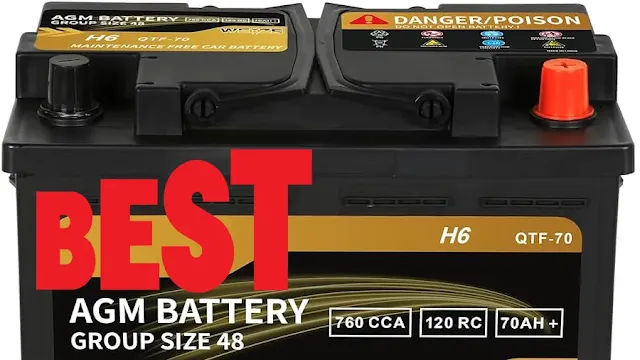
AGM stands for Absorbed Glass Mat, a sealed lead-acid battery design that holds electrolyte in fiberglass mats instead of free liquid.

Compared with traditional flooded lead-acid batteries, AGM batteries are built for better vibration resistance, faster charge acceptance, and lower maintenance. They are especially common in modern vehicles with start-stop systems, heavy electrical loads, and frequent accessory use.

Never Use / Use Instead

Never Use Use Instead
Use an AGM battery without checking vehicle compatibility. Confirm your owner’s manual or battery spec before buying.
Charge it with an incompatible charger or overcharge it. Use a charger designed for AGM or multi-battery chemistries.
Replace a standard battery with AGM without considering cost. Choose AGM when the vehicle benefits from deeper cycling and higher reliability.
Assume a bigger battery automatically means better performance. Select the battery that matches your vehicle’s electrical demands.

Pros of AGM Batteries

AGM batteries often last longer, handle vibration better, and perform more consistently in demanding driving conditions than flooded batteries.
  1. Enhanced durability: AGM batteries handle repeated charge and discharge cycles better, which helps in vehicles with stop-start systems and electronics-heavy use.
  2. Improved safety: The sealed design reduces spill risk and helps prevent acid leaks if the battery is tipped or damaged.
  3. Maintenance-free operation: No water top-offs are needed, making them more convenient for busy owners.
  4. Better cold and hot weather performance: AGM batteries usually maintain stronger performance in temperature extremes and recharge efficiently.

Why drivers choose AGM

Many drivers pay extra for AGM because they want fewer surprises, stronger starting power, and a battery that can better support modern electrical systems. That makes them a practical upgrade for cars with advanced infotainment, frequent short trips, or a lot of accessory draw.

Cons of AGM Batteries

AGM batteries are not always the right buy, especially if your vehicle does not need their extra durability.
  1. Higher cost: AGM batteries commonly cost far more than standard flooded batteries, which can make the upgrade hard to justify for basic vehicles.
  2. Sensitivity to charging: They can be damaged by the wrong charging profile or overcharging, so charger compatibility matters.
  3. Heavier weight: AGM batteries tend to weigh more than conventional batteries, which may matter in some applications.

What can go wrong

If an AGM battery is installed in a vehicle that does not benefit from it, the owner may pay more without seeing much improvement. The best value usually comes when the battery’s strengths match the vehicle’s actual demands.

AGM vs Standard Batteries

AGM strengths

  • Better vibration resistance.
  • Sealed and maintenance-free.
  • Strong in extreme temperatures.
  • Better for start-stop vehicles.

Standard battery strengths

  • Lower upfront cost.
  • Fine for basic vehicles.
  • Often easier on the budget.
  • Can be sufficient for regular driving.
Feature AGM Battery Standard Flooded Battery
Price Higher Lower
Maintenance Usually maintenance-free May require more attention
Durability Better under vibration and cycling Good for lighter use
Best for Modern vehicles, start-stop systems, extreme climates Older or simpler vehicles

Is an AGM Battery Worth It?

An AGM battery is usually worth the premium if your car has a start-stop system, lots of electronics, or a history of battery strain. It is also a smart choice in harsh climates or for vehicles that sit unused for long periods. For a basic car with modest electrical demands, a traditional battery may still be the better value.

For more on car batteries, visit Interstate Batteries, check Car and Driver, review Consumer Reports, compare options at AutoZone, and see a related discussion at AGM batteries worth it?

What is an AGM battery?

An AGM battery is a sealed lead-acid battery that uses absorbent glass mats to hold the electrolyte, making it more durable and spill-resistant than a standard flooded battery.

Are AGM batteries better than regular batteries?

AGM batteries are better for vehicles with higher electrical demands, stop-start systems, or harsh operating conditions, but regular batteries can still be the better value for simpler cars.

Why do AGM batteries cost more?

They cost more because of their sealed construction, improved durability, stronger performance characteristics, and better tolerance for demanding use.

How long do AGM batteries usually last?

They often last longer than standard flooded batteries, especially when they are charged correctly and used in a vehicle that matches their design.

Can I replace a flooded battery with an AGM battery?

Sometimes yes, but you should verify compatibility first because the charging system, battery size, and vehicle requirements all matter.

Do AGM batteries need a special charger?

They work best with a charger that supports AGM or multi-chemistry charging to reduce the risk of overcharging or battery damage.

Do cabin filters have a shelf life? 2026

Understanding the Shelf Life of Cabin Air Filters

Cabin air filters are essential components in maintaining the air quality inside your vehicle. They filter out dust, pollen, and other pollutants from the air entering your car’s cabin. However, many car owners wonder about the shelf life of these filters, especially when buying in bulk or finding old stock at a discount. Here’s what you need to know about the shelf life and longevity of different types of cabin air filters.

Table of Contents

Do Cabin Air Filters Expire?

Cabin air filters , whether they are standard or activated charcoal carbon filters, do not have a specific expiration date. As long as they are kept in a dry, sealed package and stored in a cool, dark place, cabin air filters can remain effective for many years. The key factor is that they are not exposed to moisture or extreme temperatures which can degrade the materials and reduce their effectiveness.

Shelf Life of Charcoal Carbon Cabin Filters

Charcoal carbon cabin filters are used not only to filter out particles but also to neutralize odors and harmful gases thanks to the activated carbon. Like standard filters, these do not expire if stored properly. However, if the packaging is compromised and the filter is exposed to air, the activated carbon can begin to absorb impurities, potentially reducing its effectiveness when finally used in a vehicle.

How Long Do Unused Air Filters Last?

If stored under ideal conditions—dry, cool, and sealed—an unused air filter can last indefinitely. The materials used in air filters, such as paper, foam, or fabric, do not degrade unless exposed to detrimental conditions. It's always a good idea to inspect the filter for any signs of damage or deterioration if it has been stored for an extended period before installation.

How Long Do Cheap Air Filters Last?

The longevity of a cabin air filter in use depends more on the environment and usage rather than the price. Cheap air filters might not be as robust or efficient as their more expensive counterparts, but in a clean, less polluted environment, they could still last the typical service interval of approximately one year or 12,000 to 15,000 miles. However, in more polluted or dusty areas, even high-quality filters might need more frequent changes.

Key Takeaways on Cabin Filter Lifespan:

  • Driving Conditions Matter: In dusty, polluted, or high-pollen areas, replace them every 6 months (3,000–6,000 miles).
  • Signs of Expiration: Reduced airflow, persistent foul odors (mold), or foggy windows indicate the filter is clogged.
  • Storage (New Filters): Unused filters can sit in a clean, dry environment for several years without losing effectiveness.
  • Neglect Consequences: A clogged filter restricts HVAC airflow and can result in dirty air being circulated into the cabin.

Practical Advice: Always check the filter for any signs of mold, mildew, or damage to the pleats before installation, especially if it has been stored for a long time.

Storage is Key: As long as the filter remains sealed in its original packaging, it can last for 5–7+ years without issues.

Caution: If the filter has been stored in a damp area and shows signs of moisture or mold, it should be discarded.

In short, a new-old-stock cabin filter found on a discount shelf is likely perfectly safe and effective to use, provided the plastic packaging is intact. If you cannot recall the last time your filter was changed, it is likely time for a replacement.

Shelf life of charcoal carbon cabin filters

Cabin air filters should be changed more often

How long should a cabin air filter last?

A cabin air filter typically lasts about one year or between 12,000 to 15,000 miles under normal driving conditions. However, in dusty or polluted environments, it may need to be replaced every 6 months or after 3,000 to 6,000 miles.

Can I just clean my cabin air filter instead of replacing it?

While some cabin air filters can be cleaned, it's generally more effective to replace them, especially if they are clogged or damaged. Cleaning may not restore the filter's original efficiency, and a new filter ensures optimal air quality in your vehicle.

Do unsold Cabin Filter in Store Expire?

Cabin air filters do not have a specific expiration date if they are stored properly in a dry, sealed package. They can remain effective for many years as long as they are not exposed to moisture or extreme temperatures.

What are the signs that my cabin air filter needs to be replaced?

Common signs that your cabin air filter needs replacement include reduced airflow from the vents, persistent unpleasant odors, and foggy windows. If you notice any of these symptoms, it's a good idea to check and possibly replace your filter.

How can I properly store cabin air filters to extend their lifespan?

To extend the lifespan of cabin air filters, store them in a dry, cool, and dark place, ensuring they remain sealed in their original packaging. Avoid exposure to moisture and extreme temperatures, as these conditions can degrade the filter's materials.

Are there different types of cabin air filters, and how do they compare?

Yes, there are several types of cabin air filters, including standard, activated charcoal, and HEPA filters. Each type has its own benefits, with activated charcoal filters being particularly effective at neutralizing odors, while HEPA filters can capture smaller particles.

Can using a cabin air filter for too long affect my vehicle's HVAC system?

Yes, using a cabin air filter beyond its effective lifespan can restrict airflow and put additional strain on your vehicle's HVAC system. This can lead to decreased efficiency and potentially costly repairs if not addressed.

Is it worth investing in a higher-quality cabin air filter?

Investing in a higher-quality cabin air filter can provide better filtration and longer lifespan compared to cheaper options. While they may cost more upfront, they can improve air quality and reduce the frequency of replacements, ultimately saving you money in the long run.

Can You Use Water Instead of Windshield Wiper Fluid? (Best Alternatives Explained)

Quick Answer: Water vs Windshield Wiper Fluid

  • Water: Not recommended for long-term use
  • Risk: Freezing, streaking, poor cleaning performance
  • Best option: Proper windshield wiper fluid or tablets
  • Safety issue: Reduced visibility while driving
  • Cold weather: Water can freeze and damage system
  • Alternative: Wiper fluid tablets mixed with water
Windshield wiper fluid bottle

Risks of Using Water

Using plain water instead of proper washer fluid can create multiple safety and mechanical issues.

  • Poor cleaning performance and streaks on windshield
  • No detergent to remove grease, bugs, or road grime
  • Freezing risk in cold climates
  • Possible damage to pump and washer lines
  • Long-term corrosion inside the system

Water may seem like a quick fix, but it is not designed for automotive cleaning systems.

Is Water Safe for the Reservoir?

Water can temporarily be used in emergencies, but it is not designed for long-term use in windshield washer systems.

Over time, water increases the risk of algae buildup, corrosion, and clogged spray nozzles.

  • Short-term use only in emergency situations
  • Not recommended for regular driving conditions
  • Higher maintenance risk compared to fluid

Can Distilled Water Be Used?

Distilled water is cleaner than tap water and reduces mineral deposits, but it still lacks cleaning and antifreeze properties.

Even distilled water cannot replace proper windshield washer fluid in performance or safety.

  • Reduces mineral buildup
  • Still freezes in cold weather
  • No detergent or cleaning agents

What Are Wiper Fluid Tablets?

Wiper fluid tablets are concentrated cleaning agents that dissolve in water to create proper windshield washer fluid.

They are a cost-effective and space-saving alternative to buying ready-made fluid.

  • Easy to store and carry
  • Mix with water to create fluid
  • Includes cleaning + antifreeze agents
  • More eco-friendly packaging

Learn more about car maintenance solutions

Why Wiper Fluid Is Better

Pros of Wiper Fluid

  • Removes dirt, grease, and bugs
  • Prevents freezing in winter
  • Protects pump and nozzle system

Water Limitations

  • No cleaning agents
  • Freezes easily
  • Can damage system over time

Driving Without Wiper Fluid

Driving without washer fluid increases safety risks because dirty windshields reduce visibility.

Even a few seconds of poor visibility can increase accident risk significantly.

  • Reduced visibility in rain and dust
  • Unsafe windshield conditions
  • Harder night driving experience

Can I use water instead of windshield wiper fluid?

Water can be used temporarily, but it is not recommended due to poor cleaning performance and freezing risk.

What happens if I only use water in my washer system?

You may experience streaks, freezing in cold weather, and long-term damage to the washer system.

Is distilled water safe for windshield washers?

It is safer than tap water but still lacks cleaning and antifreeze properties needed for proper performance.

Are wiper fluid tablets a good alternative?

Yes, they are effective, compact, and convert water into proper cleaning fluid when dissolved.

Can water damage the washer pump?

Yes, long-term use of water can lead to corrosion and clogging in the washer system.

Monday, April 27, 2026

Is KIA's Reputation for Poor Quality Justified? 2026

Negative Reviews of the KIA Brand

KIA has often faced a barrage of negative reviews and criticisms regarding the quality and reliability of their vehicles. Many car buyers express concerns over frequent mechanical issues, lower resale value, and overall build quality. This article delves into whether KIA's reputation for poor quality is justified by examining various aspects of the brand's reliability and performance.

Table of Contents

Is KIA a Reliable Brand?

KIA's reliability has been a topic of debate among car enthusiasts and experts alike. While some drivers report satisfactory experiences, others highlight frequent mechanical failures and expensive repair costs. These issues have contributed to the perception that KIA vehicles may not be as dependable as their competitors.

KIA has faced several recalls over the years, impacting their reputation for quality and reliability. These recalls often address critical issues such as engine failures, fire risks, and faulty airbags. The extensive nature of these recalls highlights concerns about the manufacturing and safety standards of KIA vehicles. Owners have been urged to stay informed about potential recalls and ensure their vehicles receive necessary repairs to maintain safety.

Is KIA a Cheap Brand?

KIA is often marketed as an affordable alternative in the automotive market. While their vehicles come with lower price tags, this affordability sometimes comes at the expense of quality. Cheaper materials and cost-cutting measures can lead to a perception of lower durability and longevity compared to more premium brands.

Is KIA as Reliable as Honda?

Comparing KIA to Honda reveals significant differences in reliability. Honda has a long-standing reputation for producing durable, high-quality vehicles with fewer mechanical issues. KIA, on the other hand, struggles to match this level of reliability, with many drivers reporting more frequent problems and a shorter lifespan for their vehicles.

Is KIA as Reliable as Toyota?

Toyota is another benchmark for reliability in the automotive industry. KIA often falls short when compared to Toyota, which is known for its exceptional build quality and dependability. Toyota vehicles generally experience fewer breakdowns and lower maintenance costs over time, further highlighting KIA's struggles to establish itself as a reliable brand.

KIA's reputation for poor quality and reliability seems to be supported by various negative reviews and comparisons with more established brands like Honda and Toyota. While KIA offers affordable vehicles, the trade-off in quality and reliability can be significant.

If considering a KIA, focus on newer models (post-2022) to avoid older, known engine issues and ensure it has an immobilizer to prevent theft. Thoroughly research specific model years for reliability.

Conclusion

Prospective buyers should consider these factors and conduct thorough research before deciding on a KIA vehicle.

Kia Issues 'Park Outside' Recall for Certain Telluride Vehicles for Fire Risk

Helpful External Resources

These trusted resources can help you compare options, verify details, or continue your research.

Are KIA's really as bad as people say they are?

Kia Reliability

Does Kia still have a bad reputation?

Kia continues to face criticism regarding its reputation for quality and reliability. Many consumers report frequent mechanical issues and lower resale values, contributing to a perception that the brand may not be as dependable as its competitors.

Do Kia cars have a good reputation?

While Kia offers affordable vehicles, its reputation is mixed. Some drivers have satisfactory experiences, but the brand is often overshadowed by concerns over build quality and reliability.

What are the main issues with Kias?

Common issues reported by Kia owners include frequent mechanical failures, expensive repairs, and concerns related to recalls for critical problems like engine failures and fire risks. These factors have raised questions about the overall durability of Kia vehicles.

Where does Kia rank in reliability?

Kia generally ranks lower in reliability compared to established brands like Honda and Toyota. Many drivers report more frequent problems with Kia vehicles, impacting their overall dependability.

Which Kia engine to stay away from?

It's advisable to be cautious with older Kia engines, particularly those produced before 2022, as they have been associated with known issues. Researching specific model years can help identify engines that may have a history of problems.

Is Kia or Hyundai better quality?

Both Kia and Hyundai are known for offering affordable vehicles, but Hyundai often has a slight edge in terms of overall quality and reliability. Comparing specific models can provide a clearer picture of which brand may better suit your needs.

What should I know about KIA's warranty coverage?

KIA offers one of the best warranties in the automotive industry, typically including a 10-year or 100,000-mile powertrain warranty. This extensive coverage can provide peace of mind for buyers, especially those concerned about potential mechanical issues.

Are KIA vehicles safe to drive?

KIA vehicles have received various safety ratings, but concerns about recalls and safety issues should be taken into account. It's essential to check the specific safety ratings and recall history of the model you are considering to ensure it meets your safety standards.

A Comprehensive Comparison of Japanese, German, and American Cars

Choosing the Right Car: A Comparison of Japanese, German, and American Cars

Japanese cars are renowned for their outstanding reliability, excellent fuel efficiency, and strong overall value. They emphasize affordability, durability, and long-term ownership satisfaction, making them a practical choice for many drivers.

German cars stand out for their superior precision engineering, refined luxury, and exceptional high-performance capabilities. While they deliver a premium driving experience, they often come with higher maintenance and ownership costs.

American cars excel in delivering raw power, bold large-scale design — particularly in trucks and SUVs — and spacious comfort. They offer excellent value, especially for those seeking bigger, more capable vehicles.

Overview of Car Types

Japanese, German, and American cars on display
Japanese, German, and American cars offer diverse options for drivers.

Japanese, German, and American cars dominate the U.S. automotive market, each with unique engineering, design, and performance traits. Japanese brands like Toyota and Honda excel in reliability and efficiency, German brands like BMW and Mercedes-Benz prioritize precision and handling, while American brands like Ford and Chevrolet focus on power and space. This guide compares their strengths and differences to help you choose the right vehicle for your needs. For more on car performance, visit Car and Driver.

American Cars

American cars are known for powerful engines and bold designs.

American cars are celebrated for their robust performance and spacious designs, appealing to drivers who value power and comfort.

  • Engine Power: Often equipped with large V8 or high-displacement engines, ideal for acceleration and towing.
  • Comfort & Design: Feature bold styling, chrome accents, and roomy interiors for long drives.
  • Drive Layout: Typically use rear-wheel or front-wheel drive, with some models offering all-wheel drive for versatility.

Brands like Ford and Chevrolet shine in trucks and SUVs. Learn more about American vehicles at MotorTrend.

German Cars

German cars emphasize precision engineering and performance.

German cars emphasize precision engineering and a driver-centric experience, making them a top choice for performance enthusiasts.

  • Driving Experience: Turbocharged engines and advanced suspension deliver sporty handling and responsiveness.
  • Design Philosophy: Minimalist aesthetics with premium materials balance style and functionality.
  • Drive Layout: Rear-wheel or all-wheel drive ensures optimal balance and dynamic performance.

BMW and Mercedes-Benz lead in luxury and performance. Explore German engineering at Automobile Magazine.

Japanese Cars

Japanese cars are renowned for reliability and efficiency.

Japanese cars are renowned for their reliability, fuel efficiency, and affordability, making them ideal for practical drivers.

  • Reliability & Efficiency: Durable designs and fuel-efficient engines reduce ownership costs.
  • Engineering Focus: Smaller, high-revving engines with technologies like variable valve timing optimize performance and economy.
  • Design & Practicality: Conservative, functional designs prioritize space efficiency, typically with front-wheel drive.

Toyota and Honda dominate in sedans and hybrids. Check reliability ratings at Consumer Reports.

Choosing the Right Car

Selecting between Japanese, German, and American cars depends on your priorities:

  • Reliability and Cost: Choose Japanese cars for low maintenance and fuel efficiency.
  • Performance and Luxury: Opt for German cars for superior handling and premium features.
  • Power and Space: Pick American cars for powerful engines and roomy interiors.

Test-drive models and compare specs to find the best fit. For buying tips, visit Edmunds.

What are the main characteristics of American cars?

American cars are known for their powerful engines, spacious designs, and bold styling.

How do German cars differ from Japanese cars?

German cars emphasize precision engineering and performance, while Japanese cars focus on reliability and fuel efficiency.

Which brands are prominent in the Japanese car market?

Toyota and Honda are the leading brands in the Japanese car market.

What should I consider when choosing a car type?

Consider your priorities such as reliability, performance, or space when choosing between Japanese, German, and American cars.

Where can I find more information on car reliability?

You can check reliability ratings at Consumer Reports.

Friday, April 24, 2026

The Truth About Engine Oil: How Important Are Brand and Type?

Understanding Engine Oil: Does Brand and Type Really Matter?
Engine oil bottle on shelf

Choosing engine oil can feel overwhelming with so many brands, types, and viscosity ratings on the shelf. But here’s the reality most drivers overlook: the right specifications matter far more than the brand name.

This guide breaks down what actually protects your engine, helping you make smarter, cost-effective decisions every time you change your oil.

Quick Rules: What Matters Most

Never Use Use Instead
Wrong viscosity (e.g., ignoring manual specs) Manufacturer-recommended viscosity (e.g., 5W-30)
Non-certified oil API-certified oil (SP, SN, etc.)
Skipping oil changes Regular maintenance intervals
Choosing oil based only on brand Choosing based on specs and type

The most important factor in engine oil is using the correct viscosity and API certification—not the brand.

Does Engine Oil Brand Matter?

Many drivers assume premium brands offer better protection—but modern engine oils must meet strict industry standards.

  • All major brands meet API certification requirements
  • Oils with the same rating are generally interchangeable
  • Brand differences mostly come down to additives and pricing

Read more about oil brand testing

Pros of Premium Brands

  • Advanced additive packages
  • Better marketing-backed innovation
  • Consistent quality control

Reality Check

  • Higher cost doesn’t always mean better protection
  • Same certifications = similar baseline performance

Why Oil Type Matters More

The type of oil you use has a much bigger impact than the brand.

Oil Type Best For Key Benefit
Synthetic Modern engines, extreme conditions Maximum protection and longevity
Conventional Older vehicles Lower cost
High-Mileage 75,000+ miles Reduces leaks and wear

Synthetic oil offers superior protection, especially for turbocharged engines, towing, and extreme temperatures.

Understanding Oil Viscosity

Viscosity determines how oil flows in different temperatures. Common examples include 5W-30 or 10W-30.

Using the wrong viscosity can lead to poor lubrication, engine wear, and reduced performance.

  • 5W-30 = better cold start performance
  • 10W-30 = thicker at startup, suitable for warmer climates

How Oil Type Affects Performance

Engine oil directly impacts how your vehicle performs over time.

  • Better lubrication reduces engine wear
  • Cleaner engines improve fuel efficiency
  • Heat resistance prevents breakdown in extreme driving

See real driver discussions

Choosing Oil for Your Vehicle

  1. Check your owner’s manual
  2. Identify recommended viscosity (e.g., 5W-30)
  3. Confirm API certification (SP, SN)
  4. Choose synthetic if possible
  5. Select any reputable brand within your budget

Learn more about oil selection

Best Practices for Engine Oil

  • Change oil regularly based on mileage
  • Stick to recommended specifications
  • Don’t mix incompatible oil types
  • Use synthetic for better long-term protection
  • Keep a maintenance schedule

A cheaper oil changed on time is far better than an expensive oil neglected for too long.

Frequently Asked Questions

Does the brand of engine oil really matter?

No, as long as the oil meets API certification and viscosity requirements, brand differences are minimal.

Is synthetic oil better than conventional?

Yes, synthetic oil provides better protection, lasts longer, and performs well in extreme conditions.

Can I switch oil brands?

Yes, you can switch brands anytime as long as the specifications match your vehicle requirements.

What happens if I use the wrong viscosity?

It can lead to poor lubrication, increased wear, and potential engine damage over time.

How often should I change my oil?

Typically every 5,000–7,500 miles, but always follow your vehicle manufacturer’s recommendation.

Is there a downside to synthetic oil?

The main downside is cost, but it is usually offset by longer intervals and better engine protection.

Wednesday, April 22, 2026

Why Are Cabin Filter Replacements So Pricey at Auto Repair Shops?

Cabin Air Filter Costs: Everything You Need To Know
Cabin air filter on shelf

Cabin air filter replacement might seem like a simple job, yet repair shops often charge $50–$150 for something that can cost under $20 and take minutes to complete. The price jump comes down to labor rates, parts markup, and shop overhead—not just the filter itself. Understanding these factors helps you decide when to pay and when to DIY.

Never UseUse Instead
Assuming all filters are equalCompare filter types (basic vs carbon)
Paying without checking accessCheck if your car allows easy DIY
Ignoring replacement intervalsReplace every 12,000–15,000 miles
Buying overpriced OEM blindlyCompare aftermarket alternatives

Why Do Auto Shops Charge So Much?

Cabin air filters clean the air entering your car, but replacing them at a shop often costs far more than expected. Labor rates typically range from $100–$200 per hour, and shops charge based on flat-rate manuals rather than actual time spent.

Learn more about cabin air filters

Key Cost Drivers: Labor charges, parts markup, shop overhead, and convenience pricing all contribute to inflated service costs.

Why Shops Charge More: Warranty coverage, convenience, professional installation.

Downside: High markup, unnecessary labor charges, often overpriced for simple jobs.

Types of Cabin Air Filters

Not all filters are the same. Basic filters trap dust, while premium versions remove odors and pollutants.

Explore cabin filter types

Common Types: Paper filters (budget), activated carbon filters (odor removal), HEPA filters (maximum filtration).

OEM Carbon Filters Explained

OEM carbon filters are designed specifically for your vehicle and include activated carbon to neutralize odors and pollutants. They perform better but cost significantly more than aftermarket options.

Compare OEM and aftermarket filters

How Often Should You Replace It?

Most manufacturers recommend replacing your cabin air filter every 12,000–15,000 miles or once per year. Dusty environments or heavy traffic may require more frequent changes.

Cabin filter replacement tips

Tip: If you live in a humid or high-pollen area like Florida, check your filter more often to maintain clean airflow.

Risks of Not Replacing Your Filter

A clogged filter reduces airflow, strains your HVAC system, and lowers air quality inside your car.

Understand filter neglect risks

Warning: Ignoring a dirty cabin filter can lead to foul odors, reduced AC performance, and potential HVAC damage.

Can You Replace It Yourself?

In most vehicles, replacing a cabin air filter takes 5–10 minutes and requires no special tools. It’s often located behind the glovebox.

Watch a DIY filter replacement guide

Basic Steps: Open glovebox, remove access panel, slide out old filter, insert new one, reassemble.

Cost of Cabin Filter Replacement

Here’s how costs typically break down:

ItemCost Range
Basic filter$10–$30
Premium filter$30–$60+
Labor$30–$100
Total shop cost$50–$150

Bottom Line: DIY replacement can cut your cost by 50–80%.

Check average replacement costs

Frequently Asked Questions

Why are cabin filter replacements so expensive?

Costs are driven by labor rates, parts markup, and dealership overhead, even though the job itself is simple.

How much should a cabin air filter replacement cost?

DIY costs $10–$40, while shops typically charge $50–$150 depending on vehicle and filter type.

Is it worth buying an expensive cabin air filter?

Premium filters improve air quality and reduce odors, but basic filters are sufficient for most drivers.

Will AutoZone change my cabin air filter?

Some locations may assist, but most only sell the part. Installation is usually DIY.

Is it really necessary to change the cabin air filter?

Yes, it maintains air quality and protects your HVAC system from strain and damage.

How often should your cabin air filter be replaced?

Every 12,000–15,000 miles or once per year, depending on driving conditions.

What are signs of a bad cabin air filter?

Weak airflow, musty odors, increased dust, and reduced AC performance are common signs.

Auto Theft Prevention Tips: How to Make Your Car a Harder Target

Tips to Help Prevent Auto Theft Most car thefts do not happen because thieves are experts. They happen because the car was easy to take. ...

.image { width: 100%; }