Tuesday, April 28, 2026

Can You Use Water Instead of Windshield Wiper Fluid? (Best Alternatives Explained)

Quick Answer: Water vs Windshield Wiper Fluid

  • Water: Not recommended for long-term use
  • Risk: Freezing, streaking, poor cleaning performance
  • Best option: Proper windshield wiper fluid or tablets
  • Safety issue: Reduced visibility while driving
  • Cold weather: Water can freeze and damage system
  • Alternative: Wiper fluid tablets mixed with water
Windshield wiper fluid bottle

Risks of Using Water

Using plain water instead of proper washer fluid can create multiple safety and mechanical issues.

  • Poor cleaning performance and streaks on windshield
  • No detergent to remove grease, bugs, or road grime
  • Freezing risk in cold climates
  • Possible damage to pump and washer lines
  • Long-term corrosion inside the system

Water may seem like a quick fix, but it is not designed for automotive cleaning systems.

Is Water Safe for the Reservoir?

Water can temporarily be used in emergencies, but it is not designed for long-term use in windshield washer systems.

Over time, water increases the risk of algae buildup, corrosion, and clogged spray nozzles.

  • Short-term use only in emergency situations
  • Not recommended for regular driving conditions
  • Higher maintenance risk compared to fluid

Can Distilled Water Be Used?

Distilled water is cleaner than tap water and reduces mineral deposits, but it still lacks cleaning and antifreeze properties.

Even distilled water cannot replace proper windshield washer fluid in performance or safety.

  • Reduces mineral buildup
  • Still freezes in cold weather
  • No detergent or cleaning agents

What Are Wiper Fluid Tablets?

Wiper fluid tablets are concentrated cleaning agents that dissolve in water to create proper windshield washer fluid.

They are a cost-effective and space-saving alternative to buying ready-made fluid.

  • Easy to store and carry
  • Mix with water to create fluid
  • Includes cleaning + antifreeze agents
  • More eco-friendly packaging

Learn more about car maintenance solutions

Why Wiper Fluid Is Better

Pros of Wiper Fluid

  • Removes dirt, grease, and bugs
  • Prevents freezing in winter
  • Protects pump and nozzle system

Water Limitations

  • No cleaning agents
  • Freezes easily
  • Can damage system over time

Driving Without Wiper Fluid

Driving without washer fluid increases safety risks because dirty windshields reduce visibility.

Even a few seconds of poor visibility can increase accident risk significantly.

  • Reduced visibility in rain and dust
  • Unsafe windshield conditions
  • Harder night driving experience

Can I use water instead of windshield wiper fluid?

Water can be used temporarily, but it is not recommended due to poor cleaning performance and freezing risk.

What happens if I only use water in my washer system?

You may experience streaks, freezing in cold weather, and long-term damage to the washer system.

Is distilled water safe for windshield washers?

It is safer than tap water but still lacks cleaning and antifreeze properties needed for proper performance.

Are wiper fluid tablets a good alternative?

Yes, they are effective, compact, and convert water into proper cleaning fluid when dissolved.

Can water damage the washer pump?

Yes, long-term use of water can lead to corrosion and clogging in the washer system.

Monday, April 27, 2026

Is KIA's Reputation for Poor Quality Justified? 2026

Negative Reviews of the KIA Brand

KIA has often faced a barrage of negative reviews and criticisms regarding the quality and reliability of their vehicles. Many car buyers express concerns over frequent mechanical issues, lower resale value, and overall build quality. This article delves into whether KIA's reputation for poor quality is justified by examining various aspects of the brand's reliability and performance.

Table of Contents

Is KIA a Reliable Brand?

KIA's reliability has been a topic of debate among car enthusiasts and experts alike. While some drivers report satisfactory experiences, others highlight frequent mechanical failures and expensive repair costs. These issues have contributed to the perception that KIA vehicles may not be as dependable as their competitors.

KIA has faced several recalls over the years, impacting their reputation for quality and reliability. These recalls often address critical issues such as engine failures, fire risks, and faulty airbags. The extensive nature of these recalls highlights concerns about the manufacturing and safety standards of KIA vehicles. Owners have been urged to stay informed about potential recalls and ensure their vehicles receive necessary repairs to maintain safety.

Is KIA a Cheap Brand?

KIA is often marketed as an affordable alternative in the automotive market. While their vehicles come with lower price tags, this affordability sometimes comes at the expense of quality. Cheaper materials and cost-cutting measures can lead to a perception of lower durability and longevity compared to more premium brands.

Is KIA as Reliable as Honda?

Comparing KIA to Honda reveals significant differences in reliability. Honda has a long-standing reputation for producing durable, high-quality vehicles with fewer mechanical issues. KIA, on the other hand, struggles to match this level of reliability, with many drivers reporting more frequent problems and a shorter lifespan for their vehicles.

Is KIA as Reliable as Toyota?

Toyota is another benchmark for reliability in the automotive industry. KIA often falls short when compared to Toyota, which is known for its exceptional build quality and dependability. Toyota vehicles generally experience fewer breakdowns and lower maintenance costs over time, further highlighting KIA's struggles to establish itself as a reliable brand.

KIA's reputation for poor quality and reliability seems to be supported by various negative reviews and comparisons with more established brands like Honda and Toyota. While KIA offers affordable vehicles, the trade-off in quality and reliability can be significant.

If considering a KIA, focus on newer models (post-2022) to avoid older, known engine issues and ensure it has an immobilizer to prevent theft. Thoroughly research specific model years for reliability.

Conclusion

Prospective buyers should consider these factors and conduct thorough research before deciding on a KIA vehicle.

Kia Issues 'Park Outside' Recall for Certain Telluride Vehicles for Fire Risk

Helpful External Resources

These trusted resources can help you compare options, verify details, or continue your research.

Are KIA's really as bad as people say they are?

Kia Reliability

Does Kia still have a bad reputation?

Kia continues to face criticism regarding its reputation for quality and reliability. Many consumers report frequent mechanical issues and lower resale values, contributing to a perception that the brand may not be as dependable as its competitors.

Do Kia cars have a good reputation?

While Kia offers affordable vehicles, its reputation is mixed. Some drivers have satisfactory experiences, but the brand is often overshadowed by concerns over build quality and reliability.

What are the main issues with Kias?

Common issues reported by Kia owners include frequent mechanical failures, expensive repairs, and concerns related to recalls for critical problems like engine failures and fire risks. These factors have raised questions about the overall durability of Kia vehicles.

Where does Kia rank in reliability?

Kia generally ranks lower in reliability compared to established brands like Honda and Toyota. Many drivers report more frequent problems with Kia vehicles, impacting their overall dependability.

Which Kia engine to stay away from?

It's advisable to be cautious with older Kia engines, particularly those produced before 2022, as they have been associated with known issues. Researching specific model years can help identify engines that may have a history of problems.

Is Kia or Hyundai better quality?

Both Kia and Hyundai are known for offering affordable vehicles, but Hyundai often has a slight edge in terms of overall quality and reliability. Comparing specific models can provide a clearer picture of which brand may better suit your needs.

What should I know about KIA's warranty coverage?

KIA offers one of the best warranties in the automotive industry, typically including a 10-year or 100,000-mile powertrain warranty. This extensive coverage can provide peace of mind for buyers, especially those concerned about potential mechanical issues.

Are KIA vehicles safe to drive?

KIA vehicles have received various safety ratings, but concerns about recalls and safety issues should be taken into account. It's essential to check the specific safety ratings and recall history of the model you are considering to ensure it meets your safety standards.

A Comprehensive Comparison of Japanese, German, and American Cars

Choosing the Right Car: A Comparison of Japanese, German, and American Cars

Japanese cars are renowned for their outstanding reliability, excellent fuel efficiency, and strong overall value. They emphasize affordability, durability, and long-term ownership satisfaction, making them a practical choice for many drivers.

German cars stand out for their superior precision engineering, refined luxury, and exceptional high-performance capabilities. While they deliver a premium driving experience, they often come with higher maintenance and ownership costs.

American cars excel in delivering raw power, bold large-scale design — particularly in trucks and SUVs — and spacious comfort. They offer excellent value, especially for those seeking bigger, more capable vehicles.

Overview of Car Types

Japanese, German, and American cars on display
Japanese, German, and American cars offer diverse options for drivers.

Japanese, German, and American cars dominate the U.S. automotive market, each with unique engineering, design, and performance traits. Japanese brands like Toyota and Honda excel in reliability and efficiency, German brands like BMW and Mercedes-Benz prioritize precision and handling, while American brands like Ford and Chevrolet focus on power and space. This guide compares their strengths and differences to help you choose the right vehicle for your needs. For more on car performance, visit Car and Driver.

American Cars

American cars are known for powerful engines and bold designs.

American cars are celebrated for their robust performance and spacious designs, appealing to drivers who value power and comfort.

  • Engine Power: Often equipped with large V8 or high-displacement engines, ideal for acceleration and towing.
  • Comfort & Design: Feature bold styling, chrome accents, and roomy interiors for long drives.
  • Drive Layout: Typically use rear-wheel or front-wheel drive, with some models offering all-wheel drive for versatility.

Brands like Ford and Chevrolet shine in trucks and SUVs. Learn more about American vehicles at MotorTrend.

German Cars

German cars emphasize precision engineering and performance.

German cars emphasize precision engineering and a driver-centric experience, making them a top choice for performance enthusiasts.

  • Driving Experience: Turbocharged engines and advanced suspension deliver sporty handling and responsiveness.
  • Design Philosophy: Minimalist aesthetics with premium materials balance style and functionality.
  • Drive Layout: Rear-wheel or all-wheel drive ensures optimal balance and dynamic performance.

BMW and Mercedes-Benz lead in luxury and performance. Explore German engineering at Automobile Magazine.

Japanese Cars

Japanese cars are renowned for reliability and efficiency.

Japanese cars are renowned for their reliability, fuel efficiency, and affordability, making them ideal for practical drivers.

  • Reliability & Efficiency: Durable designs and fuel-efficient engines reduce ownership costs.
  • Engineering Focus: Smaller, high-revving engines with technologies like variable valve timing optimize performance and economy.
  • Design & Practicality: Conservative, functional designs prioritize space efficiency, typically with front-wheel drive.

Toyota and Honda dominate in sedans and hybrids. Check reliability ratings at Consumer Reports.

Choosing the Right Car

Selecting between Japanese, German, and American cars depends on your priorities:

  • Reliability and Cost: Choose Japanese cars for low maintenance and fuel efficiency.
  • Performance and Luxury: Opt for German cars for superior handling and premium features.
  • Power and Space: Pick American cars for powerful engines and roomy interiors.

Test-drive models and compare specs to find the best fit. For buying tips, visit Edmunds.

What are the main characteristics of American cars?

American cars are known for their powerful engines, spacious designs, and bold styling.

How do German cars differ from Japanese cars?

German cars emphasize precision engineering and performance, while Japanese cars focus on reliability and fuel efficiency.

Which brands are prominent in the Japanese car market?

Toyota and Honda are the leading brands in the Japanese car market.

What should I consider when choosing a car type?

Consider your priorities such as reliability, performance, or space when choosing between Japanese, German, and American cars.

Where can I find more information on car reliability?

You can check reliability ratings at Consumer Reports.

Friday, April 24, 2026

The Truth About Engine Oil: How Important Are Brand and Type?

Understanding Engine Oil: Does Brand and Type Really Matter?
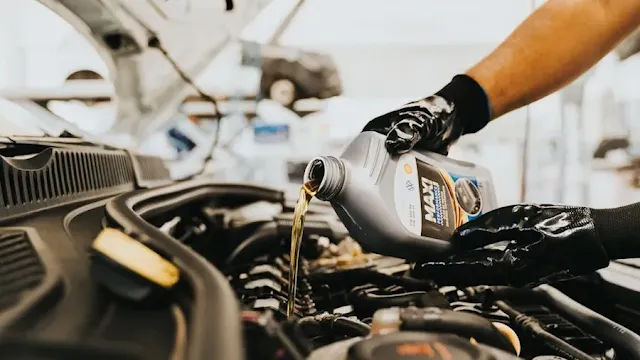
Engine oil bottle on shelf

Choosing engine oil can feel overwhelming with so many brands, types, and viscosity ratings on the shelf. But here’s the reality most drivers overlook: the right specifications matter far more than the brand name.

This guide breaks down what actually protects your engine, helping you make smarter, cost-effective decisions every time you change your oil.

Quick Rules: What Matters Most

Never Use Use Instead
Wrong viscosity (e.g., ignoring manual specs) Manufacturer-recommended viscosity (e.g., 5W-30)
Non-certified oil API-certified oil (SP, SN, etc.)
Skipping oil changes Regular maintenance intervals
Choosing oil based only on brand Choosing based on specs and type

The most important factor in engine oil is using the correct viscosity and API certification—not the brand.

Does Engine Oil Brand Matter?

Many drivers assume premium brands offer better protection—but modern engine oils must meet strict industry standards.

  • All major brands meet API certification requirements
  • Oils with the same rating are generally interchangeable
  • Brand differences mostly come down to additives and pricing

Read more about oil brand testing

Pros of Premium Brands

  • Advanced additive packages
  • Better marketing-backed innovation
  • Consistent quality control

Reality Check

  • Higher cost doesn’t always mean better protection
  • Same certifications = similar baseline performance

Why Oil Type Matters More

The type of oil you use has a much bigger impact than the brand.

Oil Type Best For Key Benefit
Synthetic Modern engines, extreme conditions Maximum protection and longevity
Conventional Older vehicles Lower cost
High-Mileage 75,000+ miles Reduces leaks and wear

Synthetic oil offers superior protection, especially for turbocharged engines, towing, and extreme temperatures.

Understanding Oil Viscosity

Viscosity determines how oil flows in different temperatures. Common examples include 5W-30 or 10W-30.

Using the wrong viscosity can lead to poor lubrication, engine wear, and reduced performance.

  • 5W-30 = better cold start performance
  • 10W-30 = thicker at startup, suitable for warmer climates

How Oil Type Affects Performance

Engine oil directly impacts how your vehicle performs over time.

  • Better lubrication reduces engine wear
  • Cleaner engines improve fuel efficiency
  • Heat resistance prevents breakdown in extreme driving

See real driver discussions

Choosing Oil for Your Vehicle

  1. Check your owner’s manual
  2. Identify recommended viscosity (e.g., 5W-30)
  3. Confirm API certification (SP, SN)
  4. Choose synthetic if possible
  5. Select any reputable brand within your budget

Learn more about oil selection

Best Practices for Engine Oil

  • Change oil regularly based on mileage
  • Stick to recommended specifications
  • Don’t mix incompatible oil types
  • Use synthetic for better long-term protection
  • Keep a maintenance schedule

A cheaper oil changed on time is far better than an expensive oil neglected for too long.

Frequently Asked Questions

Does the brand of engine oil really matter?

No, as long as the oil meets API certification and viscosity requirements, brand differences are minimal.

Is synthetic oil better than conventional?

Yes, synthetic oil provides better protection, lasts longer, and performs well in extreme conditions.

Can I switch oil brands?

Yes, you can switch brands anytime as long as the specifications match your vehicle requirements.

What happens if I use the wrong viscosity?

It can lead to poor lubrication, increased wear, and potential engine damage over time.

How often should I change my oil?

Typically every 5,000–7,500 miles, but always follow your vehicle manufacturer’s recommendation.

Is there a downside to synthetic oil?

The main downside is cost, but it is usually offset by longer intervals and better engine protection.

Wednesday, April 22, 2026

Why Are Cabin Filter Replacements So Pricey at Auto Repair Shops?

Cabin Air Filter Costs: Everything You Need To Know
Cabin air filter on shelf

Cabin air filter replacement might seem like a simple job, yet repair shops often charge $50–$150 for something that can cost under $20 and take minutes to complete. The price jump comes down to labor rates, parts markup, and shop overhead—not just the filter itself. Understanding these factors helps you decide when to pay and when to DIY.

Never UseUse Instead
Assuming all filters are equalCompare filter types (basic vs carbon)
Paying without checking accessCheck if your car allows easy DIY
Ignoring replacement intervalsReplace every 12,000–15,000 miles
Buying overpriced OEM blindlyCompare aftermarket alternatives

Why Do Auto Shops Charge So Much?

Cabin air filters clean the air entering your car, but replacing them at a shop often costs far more than expected. Labor rates typically range from $100–$200 per hour, and shops charge based on flat-rate manuals rather than actual time spent.

Learn more about cabin air filters

Key Cost Drivers: Labor charges, parts markup, shop overhead, and convenience pricing all contribute to inflated service costs.

Why Shops Charge More: Warranty coverage, convenience, professional installation.

Downside: High markup, unnecessary labor charges, often overpriced for simple jobs.

Types of Cabin Air Filters

Not all filters are the same. Basic filters trap dust, while premium versions remove odors and pollutants.

Explore cabin filter types

Common Types: Paper filters (budget), activated carbon filters (odor removal), HEPA filters (maximum filtration).

OEM Carbon Filters Explained

OEM carbon filters are designed specifically for your vehicle and include activated carbon to neutralize odors and pollutants. They perform better but cost significantly more than aftermarket options.

Compare OEM and aftermarket filters

How Often Should You Replace It?

Most manufacturers recommend replacing your cabin air filter every 12,000–15,000 miles or once per year. Dusty environments or heavy traffic may require more frequent changes.

Cabin filter replacement tips

Tip: If you live in a humid or high-pollen area like Florida, check your filter more often to maintain clean airflow.

Risks of Not Replacing Your Filter

A clogged filter reduces airflow, strains your HVAC system, and lowers air quality inside your car.

Understand filter neglect risks

Warning: Ignoring a dirty cabin filter can lead to foul odors, reduced AC performance, and potential HVAC damage.

Can You Replace It Yourself?

In most vehicles, replacing a cabin air filter takes 5–10 minutes and requires no special tools. It’s often located behind the glovebox.

Watch a DIY filter replacement guide

Basic Steps: Open glovebox, remove access panel, slide out old filter, insert new one, reassemble.

Cost of Cabin Filter Replacement

Here’s how costs typically break down:

ItemCost Range
Basic filter$10–$30
Premium filter$30–$60+
Labor$30–$100
Total shop cost$50–$150

Bottom Line: DIY replacement can cut your cost by 50–80%.

Check average replacement costs

Frequently Asked Questions

Why are cabin filter replacements so expensive?

Costs are driven by labor rates, parts markup, and dealership overhead, even though the job itself is simple.

How much should a cabin air filter replacement cost?

DIY costs $10–$40, while shops typically charge $50–$150 depending on vehicle and filter type.

Is it worth buying an expensive cabin air filter?

Premium filters improve air quality and reduce odors, but basic filters are sufficient for most drivers.

Will AutoZone change my cabin air filter?

Some locations may assist, but most only sell the part. Installation is usually DIY.

Is it really necessary to change the cabin air filter?

Yes, it maintains air quality and protects your HVAC system from strain and damage.

How often should your cabin air filter be replaced?

Every 12,000–15,000 miles or once per year, depending on driving conditions.

What are signs of a bad cabin air filter?

Weak airflow, musty odors, increased dust, and reduced AC performance are common signs.

Sunday, April 19, 2026

Do I Need a Wheel Alignment? Or Is It a Dealer Scam? | 2026 Guide

Wheel Alignment Reality Check: Dealer's Offer or Scam Alert?

A wheel alignment is essential for safety, handling, and tire longevity, usually needed every 1–2 years or after tire installation. While often recommended by dealers during every oil change—which is usually unnecessary—it is not a total scam if you have uneven tire wear, a pulling vehicle, or a crooked steering wheel.

During a routine oil change, your dealer suggests a wheel alignment. But is it really necessary, or just a way to upsell you? This guide separates fact from fiction, explaining when you need a wheel alignment, its benefits, and how to spot a potential scam.

Signs You Actually Need a Wheel Alignment

  • Pulling: The car drifts to the left or right while driving straight.
  • Off-Center Steering Wheel: Your steering wheel is not straight while driving straight.
  • Uneven Tire Wear: Tires show abnormal, rapid, or uneven wear patterns.
  • Vibration/Shaking: The steering wheel or car shakes while driving.

Why Alignments Matter

Wheel alignments are not just a dealer sales pitch—they're critical for maintaining your vehicle's suspension geometry. Proper alignment ensures your car drives straight, handles predictably, and extends the life of tires and suspension components. Misaligned wheels can increase tire wear by up to 30% and reduce fuel efficiency by 7%, according to automotive experts. By addressing alignment issues, you can save on costly tire replacements and improve driving safety.

Key Benefits

  • Improved vehicle handling and safety
  • Extended tire life by up to 30%
  • Enhanced fuel efficiency by 7%
  • Prevention of premature suspension damage
  • Smoother, more comfortable ride

Maintenance Schedule: Check every 12,000-15,000 miles or after hitting potholes, even if no symptoms are present.

When Is It a Scam or Unnecessary Upsell?

Common Dealer Tactics to Watch For

  • Routine Oil Changes: Dealers often recommend an alignment with every service. This is often unnecessary unless you have the symptoms above.
  • New Tires Requirement: While recommended when getting new tires to prevent premature wear, an alignment isn't always strictly required at that exact moment if the previous tires wore evenly.
  • "Free" Check Scam: Some shops use a "free" alignment check to claim you need a costly adjustment when you do not, often by slightly manipulating the steering wheel to create a false reading.

Are Dealerships Scamming You?

Are dealerships pushing unnecessary wheel alignments? It depends. Some dealers upsell services to boost revenue, recommending alignments for new cars that rarely need them. However, reputable dealers prioritize vehicle health. To avoid scams:

  • Question Frequency: New cars under warranty rarely need frequent alignments unless driven on rough roads.
  • Request Evidence: Ask for a printout of alignment measurements showing deviations.
  • Second Opinion: Consult an independent mechanic to verify the dealer's recommendation.

Tips to Avoid Being Scammed

  • Trust Your Driving Experience: If the car drives straight and tires wear evenly, you likely don't need one.
  • Get a Second Opinion: If a shop insists on an alignment, ask for the printout of the alignment check or get a second opinion.
  • Check Tire Pressure: Low pressure in one tire can mimic alignment issues.

When to Say Yes

  • Car pulls to one side
  • Steering wheel off-center
  • Uneven tire wear visible
  • After hitting potholes or curbs
  • Vibration at highway speeds

When to Say No

  • Car drives straight and true
  • Tires wearing evenly
  • No steering wheel vibration
  • Recommended at every oil change
  • No measurement proof provided

Wheel Alignment Costs

Service Type Typical Cost Notes
Standard Alignment $50-$100 Most common service
4-Wheel Alignment $75-$150 All four wheels adjusted
Dealer Alignment $100-$200 Higher rates, specialized equipment
Performance/Lowered Cars $150-$300 Complex suspension geometry
Mazda CX-5 Alignment $80-$150 Standard SUV rates apply

Is $100 for an alignment good? Yes, $100 is a fair price for a quality 4-wheel alignment at most independent shops and some dealers. Prices below $50 may indicate rushed service or outdated equipment.

Value of Free Alignment Checks

Many dealerships and tire shops offer free alignment checks, which can be a valuable diagnostic tool. These checks use laser-based systems to measure wheel angles, identifying issues before they cause tire damage or safety risks. While some shops may use free checks to upsell, they're useful for catching problems early, potentially saving hundreds on tire replacements.

Warning: Always verify free check results with a second opinion if the shop immediately recommends expensive repairs without showing you the actual measurement data.

What Throws Off Your Alignment?

  • Road Hazards: Potholes, curbs, and speed bumps
  • Wear and Tear: Suspension component degradation over time
  • Accidents: Even minor collisions can affect alignment
  • Modifications: Lowering kits, lift kits, or tire size changes
  • Normal Driving: Gradual shift from everyday road conditions

Final Verdict: Is Wheel Alignment Worth It?
Wheel alignments are essential for vehicle performance, tire longevity, and safety, but they're not needed at every oil change. Pay attention to signs like pulling or uneven tire wear, and don't hesitate to seek a second opinion if a dealer pushes the service. By staying informed, you can avoid scams and keep your car in top condition.

Disclaimer: While dealer alignments are often more expensive, they can be valuable for complex, newer, or lowered cars with advanced suspensions.

Frequently Asked Questions

Do I need a wheel alignment regularly?

No, wheel alignments aren't needed at every oil change. Check every 12,000-15,000 miles or if you notice pulling, uneven tire wear, or an off-center steering wheel.

How do I know if my car needs a wheel alignment?

Look for signs like your car pulling to one side, uneven tire wear, or an off-center steering wheel when driving straight.

Is a wheel alignment a dealer scam?

Not always, but some dealers may upsell unnecessary alignments. Request measurement proof and get a second opinion from a trusted mechanic.

What are the benefits of a wheel alignment?

Wheel alignment improves handling, extends tire life by up to 30%, enhances fuel efficiency by 7%, and prevents suspension damage.

Are free alignment checks worth it?

Yes, free checks can catch issues early, saving on tire and suspension costs, but be cautious of upselling and verify findings.

Is it really necessary to get a wheel alignment?

Yes, when symptoms like pulling, uneven wear, or off-center steering are present. Without symptoms, it's usually unnecessary.

Is wheel alignment actually worth it?

Absolutely, when needed. It saves money on premature tire replacement and improves safety. Unnecessary alignments are a waste of money.

How much should a full alignment cost?

Expect to pay $75-$150 for a complete 4-wheel alignment at reputable shops. Dealer prices may range from $100-$200.

Related Articles

Monday, July 7, 2025

New Tires at Costco: Still a Bargain Hunter's Best Bet?

Is Shopping at Costco for New Tires Still a Bargain Hunter's Best Bet?

For many vehicle owners, finding the right place to buy new tires is about striking a balance between quality, price, and service. As a car owner myself, I remember the first time I needed to replace the tires on my Jeep Wrangler. I spent hours researching options, comparing prices, and reading reviews to ensure I got the best value without compromising safety. Costco, known for its bulk goods and members-only model, has long been a go-to for tire purchases due to its competitive pricing and added benefits. But with rising tire prices and increasing competition, is Costco still the bargain hunter's best bet in 2025? This article explores Costco’s tire offerings, addressing key questions about pricing, rewards, quality, and more to help you decide.

Costco's Pricing Model

Costco leverages its massive buying power to offer competitive tire prices, often undercutting traditional retailers. By negotiating bulk deals with manufacturers like Michelin and Bridgestone, Costco secures lower costs, which it passes on to members. The company frequently provides instant rebates, such as $60 off a set of four Michelin tires or $30 off BFGoodrich tires, valid during promotional periods like May 14 to June 8, 2025. These savings, combined with free installation, make Costco appealing for budget-conscious shoppers. Additionally, Costco Anywhere Visa® Card holders and Executive members can earn a 2% reward on tire purchases, further enhancing value. Check the Costco Tires Rewards Calculator to estimate potential savings.

Selection and Brands

Costco offers a curated selection of high-quality tire brands, including Michelin, Bridgestone, and BFGoodrich, which are recognized for their durability and performance. While the selection may not match the variety of specialty retailers like Tire Rack, it covers most mainstream vehicles, from sedans to trucks. Costco’s tire search tool on their website allows you to find tires by vehicle make, model, or size, ensuring compatibility. This focus on trusted brands ensures reliability, though those seeking niche or high-performance tires may need to look elsewhere.

Services Included with Purchase

One of Costco’s strongest selling points is its comprehensive tire services. Tire purchases include free installation, lifetime maintenance (balancing, rotation, and flat repairs), and a five-year road hazard warranty that covers damage from potholes or punctures, provided regular maintenance is followed. Costco also uses nitrogen inflation, which retains tire pressure better than compressed air, potentially improving fuel economy and tire lifespan. According to Popular Mechanics, nitrogen’s benefits are modest but measurable. Additional costs, such as TPMS service packs, may apply and typically cost around $19 per tire when required.

Installation and Convenience

Costco’s tire installation process is efficient but can be hampered by long wait times, especially during peak seasons. Appointments can be scheduled via CostcoTireAppointments.com, but availability may be limited, with some customers reporting waits of 2-4 hours. However, the ability to shop for groceries or other items at Costco during installation adds convenience. With tire centers in nearly every state, Costco’s nationwide presence ensures members can access warranty and maintenance services while traveling, a perk not always available at smaller retailers.

Customer Satisfaction and Support

Customer feedback on Costco’s tire centers is generally positive, with many praising the transparent pricing and robust warranty. A Reddit user on r/Costco noted saving $150 on Michelin tires compared to other retailers, highlighting the value of promotions. However, some reviews mention inconsistent service, such as long waits or issues with tire pressure sensor programming. Costco’s customer service and return policies are well-regarded, offering peace of mind for addressing issues.

Competition and Alternatives

Costco faces competition from retailers like Walmart, Sam’s Club, and Discount Tire, which may offer lower base prices or broader selections. Online retailers like Tire Rack provide extensive options and home delivery, though installation costs can add up. While Costco’s free installation and maintenance are compelling, competitors like Discount Tire offer price matching and similar maintenance packages, making comparison shopping essential.

Frequently Asked Questions

How much does Costco charge to install 4 tires?

Costco includes tire installation at no additional charge with the purchase of tires. However, additional costs for components like TPMS service packs may apply, typically around $19 per tire for installation-related fees when applicable.

What is the Costco reward on tires?

Costco offers promotional discounts on select tire brands, such as $40-$60 off Michelin tires or $30 off BFGoodrich tires for sets of four, valid during specific periods (e.g., May 14, 2025 - June 8, 2025). Executive members also earn a 2% reward on tire purchases with the Costco Anywhere Visa® Card by Citi.

Are Michelin tires at Costco the same quality?

Yes, Michelin tires at Costco are the same quality as those sold at other retailers. Michelin maintains consistent safety, durability, and performance standards across all authorized retailers, ensuring no compromise in quality.

Does Costco match prices on tires?

Costco does not typically offer price matching for tires, as their pricing strategy relies on bulk purchasing and exclusive member discounts. However, their competitive pricing and included services often make price matching unnecessary.

What are the perks of buying tires at Costco?

Perks include free installation, lifetime maintenance (balancing, rotation, flat repairs), a five-year road hazard warranty, nitrogen inflation for better pressure retention, and competitive pricing on brands like Michelin and Bridgestone. Members also benefit from promotional discounts and the convenience of nationwide service locations.

Will Discount Tire match Costco’s free installation?

Discount Tire may offer price matching on tires if you provide proof of a lower price, but they typically charge for installation, unlike Costco’s free installation. Their Life of Tire Maintenance includes free rotation and balancing, but installation fees vary by location.

In 2025, Costco remains a strong contender for bargain hunters seeking new tires. Its competitive pricing, free installation, lifetime maintenance, and five-year road hazard warranty make it a compelling choice for mainstream vehicle owners. While competitors like Walmart, Sam’s Club, and Discount Tire may offer lower prices or broader selections, Costco’s bundled services and member-exclusive perks often provide superior value. However, long wait times and limited brand variety may deter some shoppers. For those prioritizing convenience and quality within a budget, Costco is still a top pick, but comparing prices and services at other tire retailers is wise to ensure the best deal.

Additional Resources

Windshield Wipers Catching or Skipping? Common Causes & Fixes That Actually Work

Here’s the reality: If your windshield wipers are catching, skipping, or hitting each other, something is off—and ignoring it usually make...

.image { width: 100%; }